
Commercial Kitchen Services in Washington, DC
Serving the nation's capital with expert hood cleaning, fire suppression, and kitchen maintenance — from Georgetown restaurants to Capitol Hill catering facilities and everything in between.
Washington DC's Premier Kitchen Service Provider
- Licensed and permitted to operate throughout all 8 wards of Washington, DC
- Expert knowledge of DCRA fire code and DC Department of Health requirements
- Overnight service available to accommodate DC's late-night restaurant culture
- Trusted by embassies, government facilities, hotels, and top-rated restaurants
- Strategic DC location allows rapid response times across the entire District
- Bilingual crews available (English/Spanish) for seamless communication
Restaurants, hotels, and facilities served
Highest rated in the District
For emergency calls in DC
Serving the DMV region
Our Services in Washington, DC
Full-spectrum kitchen maintenance for the District's diverse food scene
Why Choose Us
Why DC Businesses Choose Qwick
Built for the demands of the nation's capital
DC Code Compliance
We know DCRA fire codes and DC Health Department standards inside and out. Pass every inspection, every time.
Late-Night & Weekend Service
DC never sleeps, and neither do we. We schedule around your hours so you never lose a cover.
Digital Reports On Demand
Inspection-ready documentation with before/after photos, delivered digitally within 24 hours.
Government-Cleared
Experienced with government facilities, embassies, and high-security locations throughout DC.
Bilingual Teams
Our English and Spanish speaking crews ensure clear communication with your entire kitchen staff.
Rapid Emergency Response
DC-based crews ready to respond to equipment failures and emergency cleaning needs fast.
Our Streamlined Process
Get in Touch
Call us or submit a request online. We'll learn about your kitchen and schedule a convenient time.
Site Evaluation
Our team assesses your kitchen equipment, ductwork, and compliance needs — completely free.
Expert Service
Certified technicians perform thorough cleaning and maintenance with minimal disruption to your operation.
Compliance Package
Receive detailed documentation including service certificates, photos, and a maintenance schedule.
Industries We Serve
Industries We Serve in DC
From fine dining to government facilities
Testimonials
What Our Clients Say
Real reviews from real businesses we serve
“As a GM, I just need the hood clean and the fire inspector happy. Qwick Services and Solutions does our kitchen exhaust cleaning on a regular schedule and keeps us NFPA 96 compliant. They're quick, responsive, and I don't have to chase them.”
Jalen Sesker
General Manager
“Finding a reliable and professional commercial hood cleaning service is not easy for food delivery kitchens but Qwick Services & Solutions exceeded all my expectations. They demonstrated a strong technical understanding of my complex kitchen exhaust system and delivered exceptional results.”
Zainab Najeeb
Restaurant Owner, Sterling, VA
“We switched to Qwick Services and Solutions a few months ago and the difference is night and day. Professional crew, on time, thorough work, and they actually send us the documentation without having to ask. Exactly what we needed.”
Marcus Thompson
Kitchen Manager, Fairfax, VA
Neighborhoods we serve
Kitchen maintenance across the District
Qwick serves commercial kitchens across all four quadrants of Washington, DC, from the downtown core to the waterfront. Rather than keep a thin page for every neighborhood, we cover the District's dining districts here, the operating realities differ block to block, and so does the work. If your address isn't named below, we very likely still serve it: the same DC compliance framework and overnight scheduling apply citywide.
Downtown, Penn Quarter & Chinatown
The District's busiest restaurant core runs on an event calendar. Penn Quarter and the Capital One Arena district swing from a routine weeknight to a packed pre-game or concert rush, while the Walter E. Washington Convention Center drives banquet and hotel-kitchen surges whenever a large show is in town. The K Street power-lunch corridor, the Gallery Place and Chinatown high-heat Chinese, Korean, and Japanese kitchens, and the tourist-volume restaurants near the National Mall each carry a different grease profile.
Washington runs a three-agency framework, DC Fire and EMS enforces NFPA 96, DC Health checks hood-cleaning records during food-establishment inspections, and DC Water requires grease-interceptor documentation, so we schedule around event calendars and deliver paperwork that satisfies all three in a single report.
Georgetown
Georgetown's challenge is its architecture. Restaurant kitchens sit inside Federal-era rowhouses and 19th-century commercial blocks whose exhaust ducts run through long, elbow-heavy paths newer buildings never require, and the Historic District restricts rooftop access and exterior modifications. M Street's brunch-driven volume accumulates grease faster than cover counts suggest, the Waterfront's Potomac exposure accelerates corrosion on rooftop components, and Book Hill's residential streets call for quiet overnight work. We clean these systems without damaging historic fabric and document what the access path actually allowed.
Capitol Hill & Eastern Market
Capitol Hill runs on the Congressional calendar, busier in session, quieter in recess, and a meaningful share of its kitchens double as catering operations supplying House and Senate offices, which shifts their grease load away from the typical dine-in pattern. Barracks Row along 8th Street SE, the Pennsylvania Avenue SE weekday dining rooms, the Eastern Market weekend-brunch corridor, and the Union Station food hall each need a different cadence. We schedule overnight windows that clear before early Hill prep and calendar cleanings against session weeks rather than a fixed monthly date.
Navy Yard & Capitol Riverfront
Navy Yard is one of the District's fastest-growing dining districts, and the Nationals schedule drives its rhythm: a quiet midweek can become a several-hundred-cover rush on a homestand. The Yards and Tingey Street feature modern, computer-controlled ventilation that needs trained service, Half Street's game-day gastropubs spike hard during homestands, and the Anacostia riverfront exposes rooftop exhaust to moisture and corrosion. With new Capitol Riverfront restaurants opening most seasons, pre-opening exhaust certification is a routine part of the work here, and we time maintenance around the baseball calendar.
The Wharf
The Wharf is the District's most modern waterfront dining destination, and salt air and Washington Channel humidity are its hidden maintenance problem, fan housings, grease cups, and ductwork joints corrode faster here than at inland kitchens. The Maine Avenue Fish Market's heavy frying, District Pier's event-driven surges, and Arena Stage pre-show timing each shape the schedule, and Wharf building management enforces vendor insurance, access, and documentation requirements beyond DC fire code. Our Wharf service includes anti-corrosion inspection and food-safe protective treatment on exposed components as standard.
U Street, Shaw & Adams Morgan
These corridors share a scheduling problem: they don't close. U Street's nightlife runs past 3 a.m. while 14th Street's brunch prep starts by 7, Shaw adds a steady stream of new openings and tight-access Blagden Alley kitchens, and Adams Morgan's 18th Street produces some of the heaviest and most varied grease loads in the city, Ethiopian, Salvadoran, late-night, and bar kitchens stacked below residential apartments. Many of these mixed-use kitchens need pollution control units to manage smoke and odor for the residents above, and DC noise rules govern overnight work. We service PCUs, work the narrow pre-dawn windows these corridors leave open, and clean thoroughly enough to keep odor complaints down.
Keep Your DC Kitchen Inspection-Ready
Join the District's top restaurants and facilities that rely on Qwick Solutions. Free on-site estimates for all DC locations.
Frequently Asked Questions
Washington DC Kitchen Maintenance FAQ
What neighborhoods in Washington DC do you service?
We service commercial kitchens throughout all quadrants of DC, Georgetown, Capitol Hill, Dupont Circle, Adams Morgan, Penn Quarter, U Street, Navy Yard, Shaw, The Wharf, H Street, Chinatown, Foggy Bottom, Brookland, Tenleytown, Cleveland Park, and every neighborhood in between. Our technicians know the District well and work around your schedule.
What regulations apply to commercial kitchens in Washington DC?
DC commercial kitchens must comply with NFPA 96, DC Fire and Emergency Medical Services Department regulations, DC Health food establishment requirements, and DC Building Code ventilation standards. The DC fire marshal conducts inspections and can cite or close kitchens that don't meet exhaust system cleanliness requirements.
How quickly can you respond to kitchen emergencies in DC?
For true emergencies in DC, we aim to have a technician on-site within 2 to 4 hours. Our 24/7 emergency line at (202) 643-8113 is always staffed. Given our proximity and regular presence in the District, response times for DC locations are among our fastest.
Do you handle fire marshal inspection preparation for DC restaurants?
Yes. We can schedule a pre-inspection cleaning and walkthrough to ensure your exhaust system and documentation are all in order before the DC fire marshal arrives. Many of our DC clients schedule service right before their inspection for complete peace of mind.
What commercial kitchen services do you offer in Washington DC?
We provide the full range of commercial kitchen maintenance in DC: hood and exhaust system cleaning, grease trap pumping and line jetting, exhaust fan repair and installation, pollution control unit maintenance, and comprehensive preventive maintenance plans. All services are NFPA 96 compliant with full documentation.
From Our Blog
Kitchen Maintenance Insights
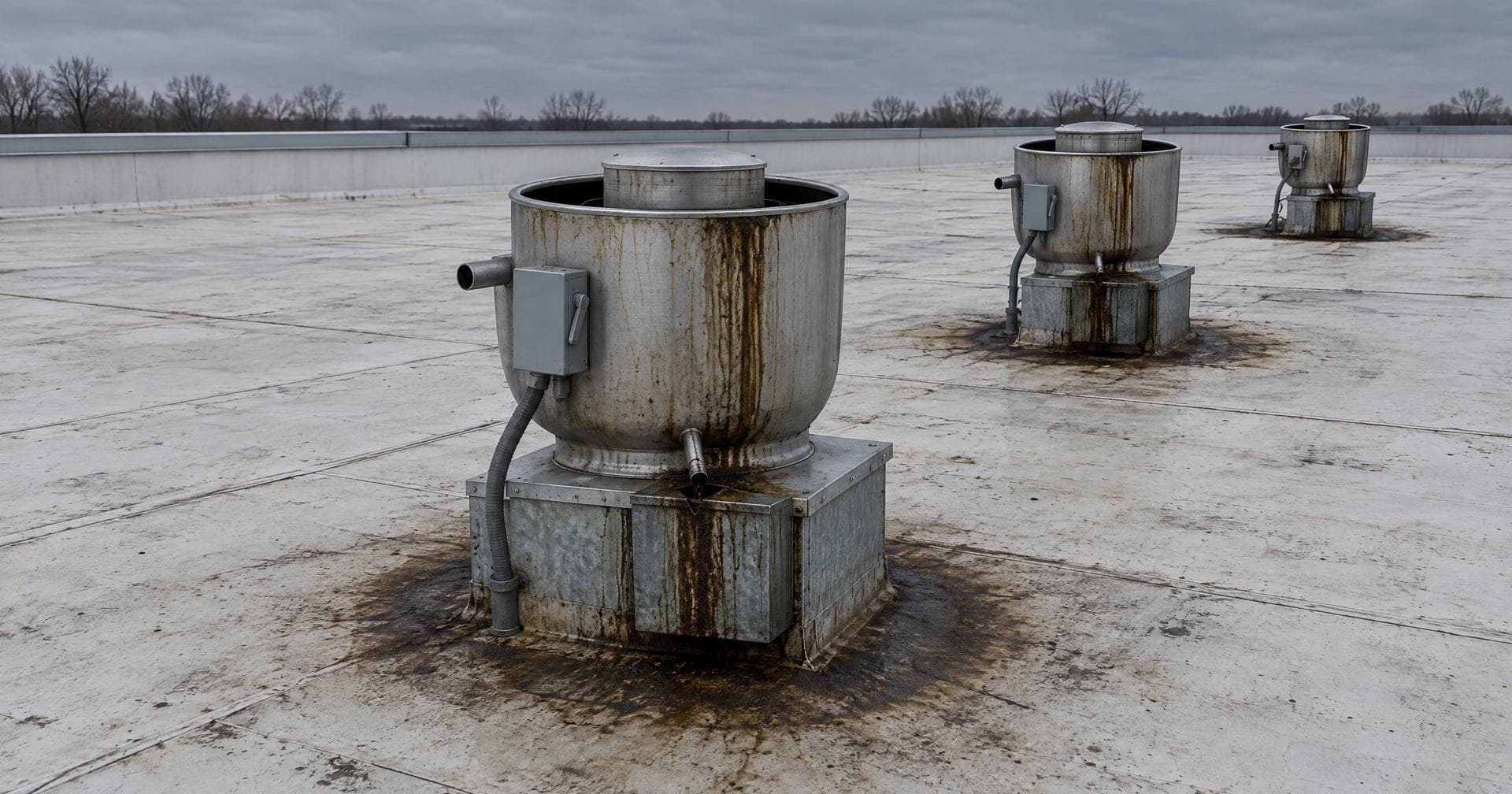
Ghost Kitchens Are Booming in the DMV — Their Maintenance Is a Nightmare Nobody Talks About
Ghost kitchens promised lower overhead and faster launches. What nobody mentioned was the ventilation and maintenance reality of running a high-output kitchen in a space that was never designed for one.
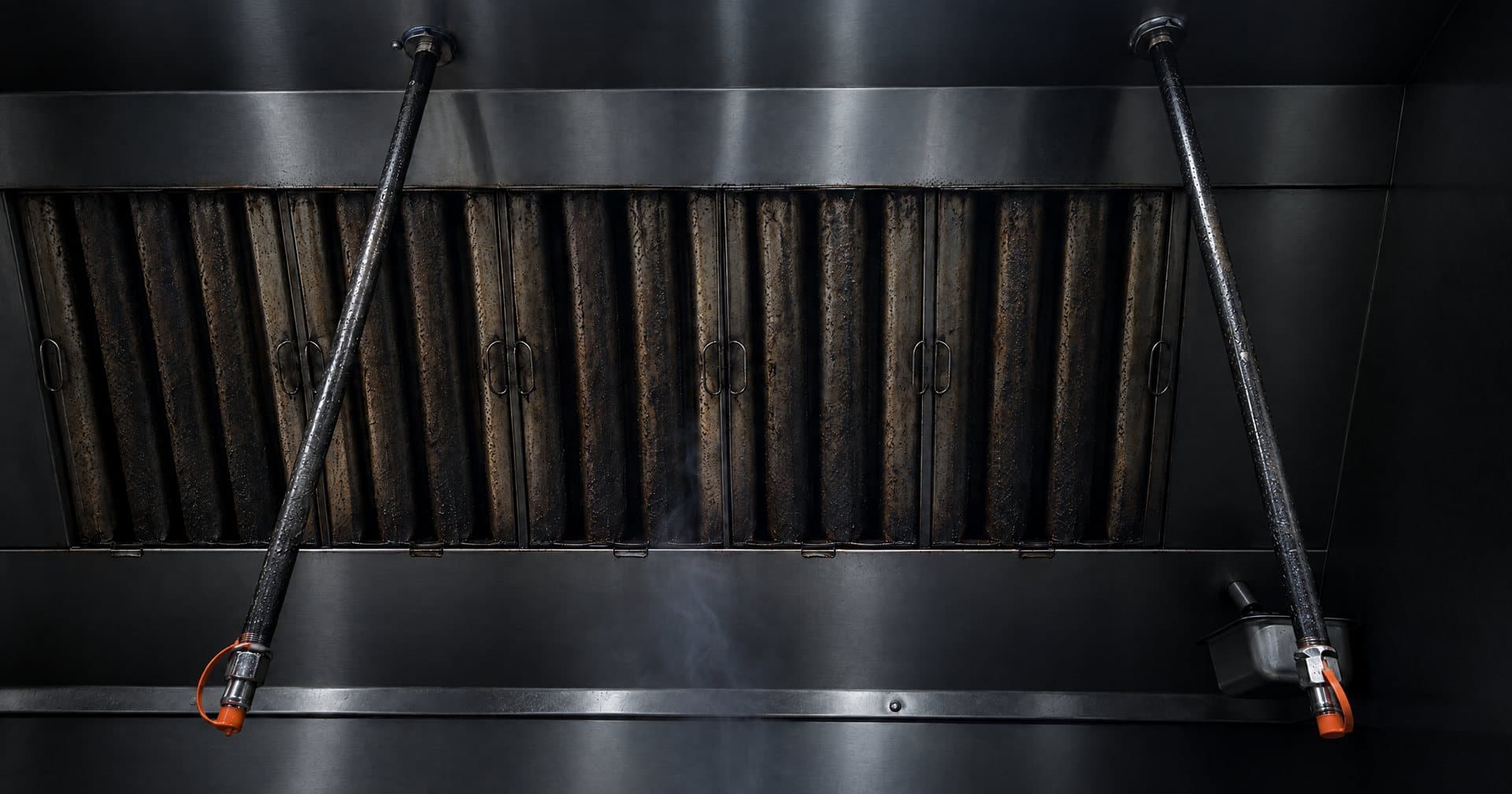
The Anatomy of a Restaurant Kitchen Fire: A Minute-by-Minute Breakdown Every DMV Owner Must Read
What actually happens when a grease fire ignites in an unmaintained exhaust system? A minute-by-minute breakdown, the real costs, and the prevention playbook every restaurant owner in Virginia, DC, and Maryland needs.
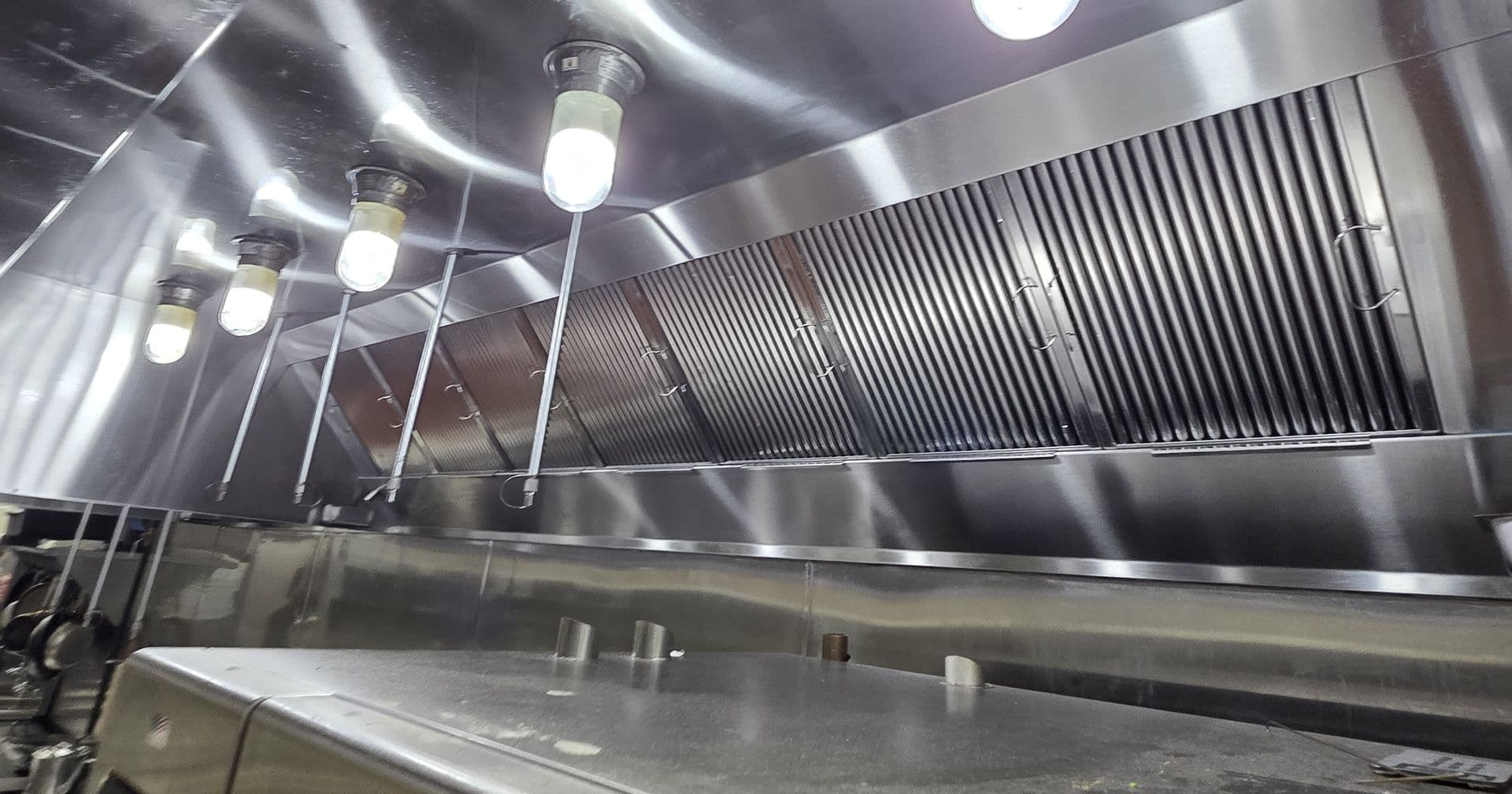
Why Your Kitchen Staff Keeps Quitting (Hint: It's Not Just the Pay)
You raised wages, offered bonuses, and still can't keep line cooks longer than a season. The real reason your kitchen staff keeps walking has nothing to do with their paycheck — and everything to do with the environment you're asking them to work in.