The Ghost Kitchen Gold Rush Hit the DMV Hard. Now Reality Is Setting In.
Between 2020 and 2025, ghost kitchens exploded across Northern Virginia, DC, and Maryland. The pitch was irresistible: skip the dining room, skip the front-of-house staff, skip the expensive buildout. Just rent a kitchen, cook food, and let the delivery apps handle the rest. Lower overhead. Faster time to market. Less risk.
Hundreds of operators bought in. Industrial parks in Sterling, warehouse districts in Hyattsville, commercial strips in Springfield, and converted retail spaces across the District filled with ghost kitchen operations running everything from smash burgers to birria tacos to Korean fried chicken out of 400-square-foot stations.
And now, three to five years in, a pattern is emerging that nobody in the ghost kitchen industry wants to talk about: the mechanical systems in these spaces are failing at alarming rates, the maintenance costs are far higher than anyone budgeted for, and the ventilation problems are creating health, safety, and compliance issues that threaten the entire business model.
The Fundamental Problem: These Spaces Were Not Designed for This
Here is what most ghost kitchen operators do not understand until they are already locked into a lease: the majority of ghost kitchen spaces in the DMV were not originally built as commercial kitchens. They were warehouses, light industrial spaces, retail units, or office buildings that were converted to kitchen use. And while the conversion might have included installing a hood, a fryer, and some stainless steel tables, the mechanical infrastructure, the HVAC, the ventilation, the makeup air, was often an afterthought.
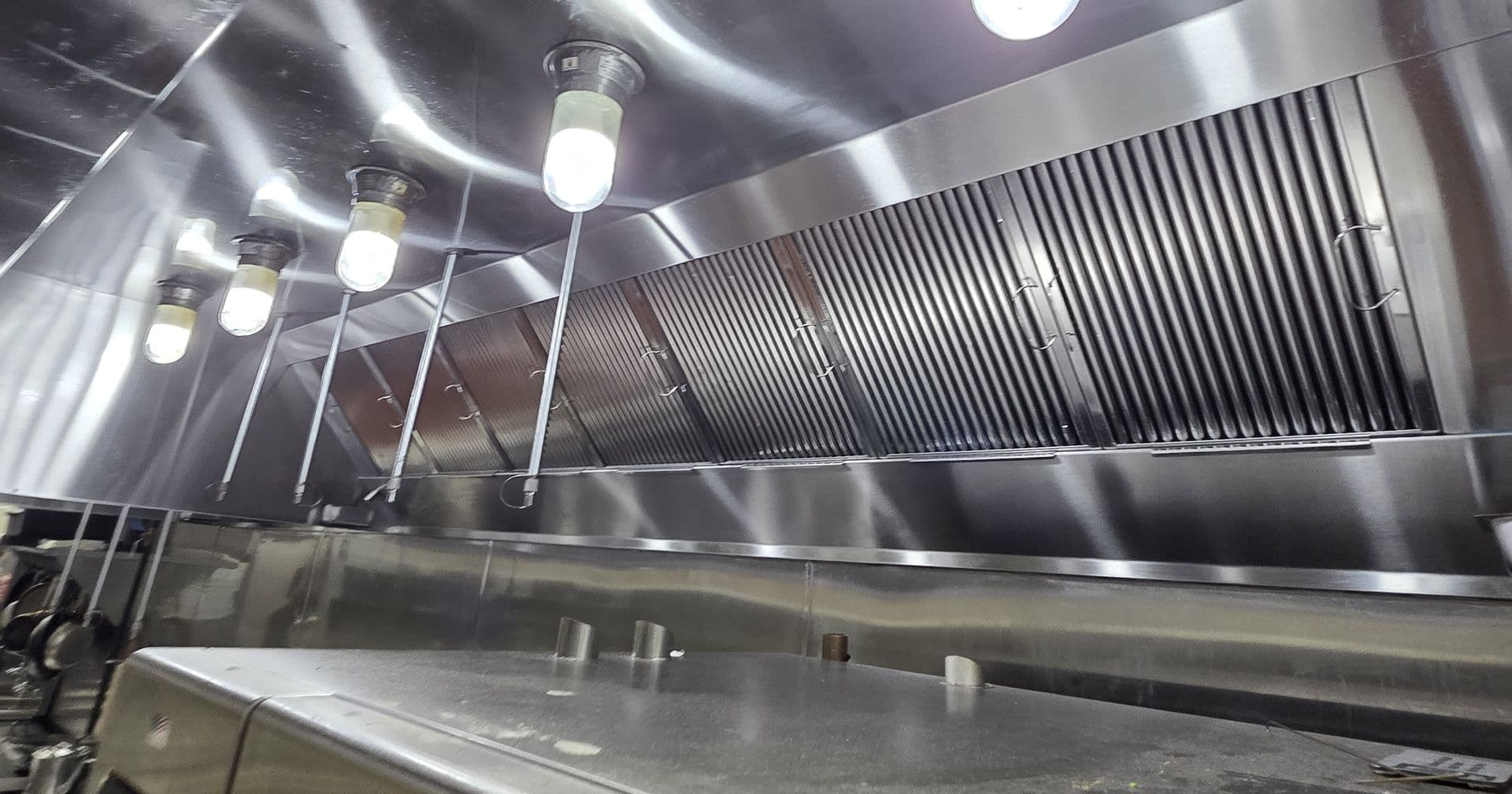
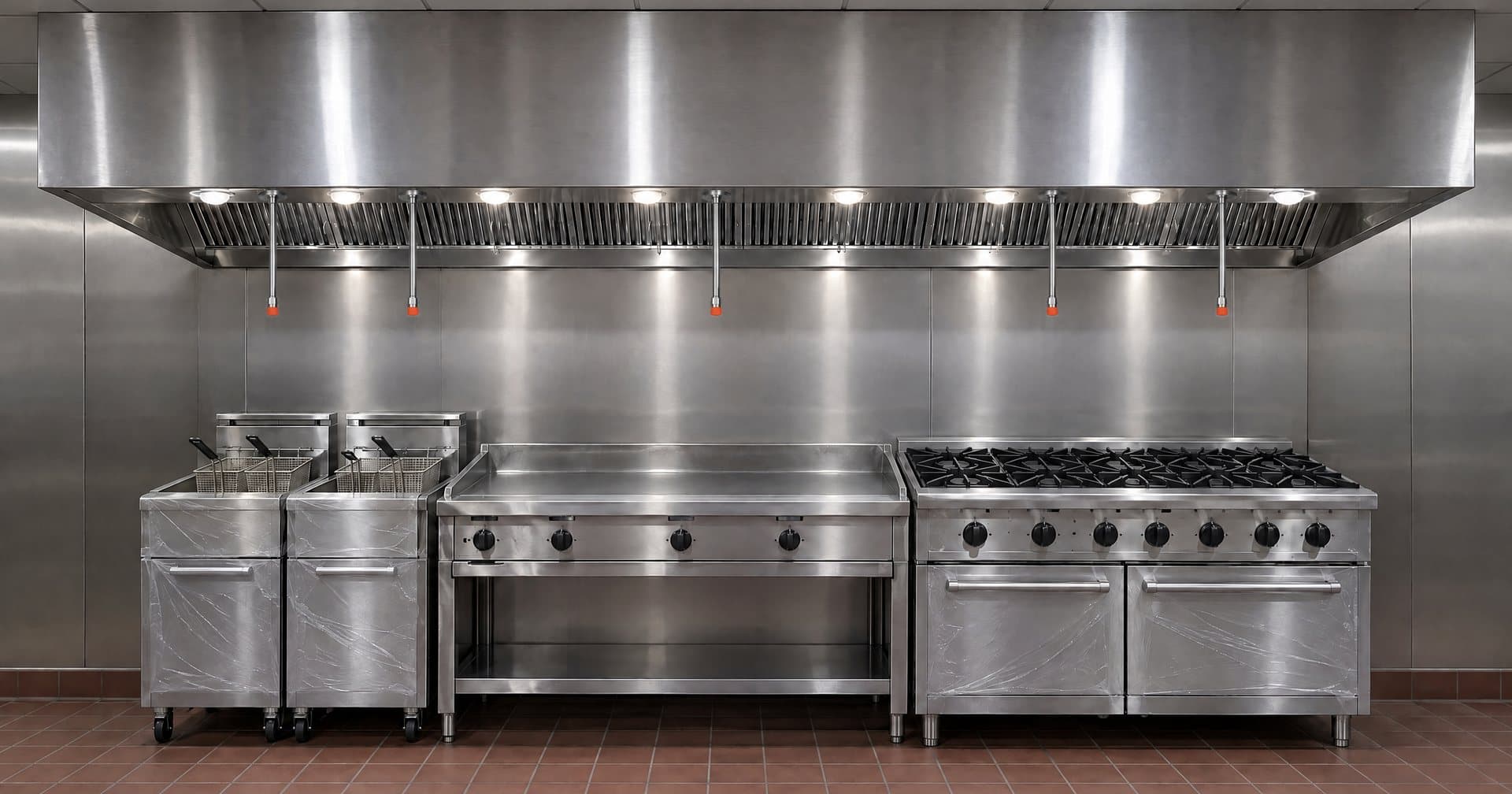
A purpose-built commercial kitchen in a traditional restaurant is designed around its ventilation system. The exhaust hood, makeup air unit, and HVAC are engineered together, sized to match each other, and integrated into the building's mechanical plan. The entire airflow system is designed as a unified system.
A converted ghost kitchen space is typically designed around the lease terms and the cooking equipment. The ventilation system is whatever the landlord or the previous conversion contractor could install within the budget, often the minimum required to pass inspection. And when three, four, or six independent kitchen operations share a single building, each generating massive heat loads, grease-laden exhaust, and moisture, the mechanical systems face demands they were never engineered to handle.
The Five Maintenance Nightmares Ghost Kitchen Operators Face
1. Shared Exhaust Systems That Nobody Owns
In many ghost kitchen facilities across the DMV, multiple operators share a common exhaust system. This makes sense from a construction cost standpoint, one large exhaust fan and duct system costs less than six individual ones, but it creates a maintenance nightmare.
When six kitchen stations share one exhaust system, who is responsible for cleaning the ductwork? Who pays for the quarterly hood cleaning? Who replaces the exhaust fan belts when they wear out? In most ghost kitchen lease agreements, this responsibility is either vaguely assigned to the landlord, split among tenants in a way nobody tracks, or simply not addressed.
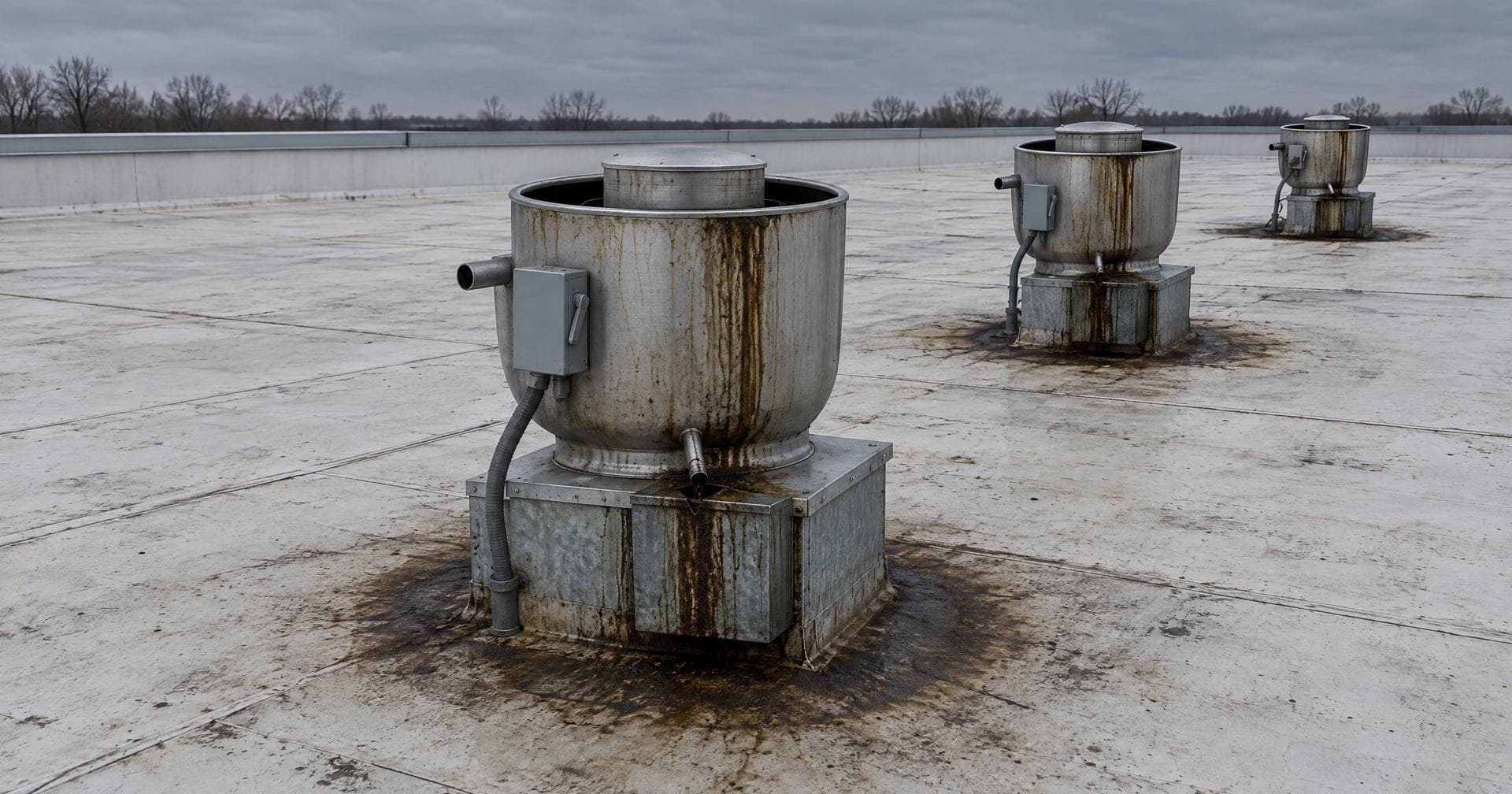
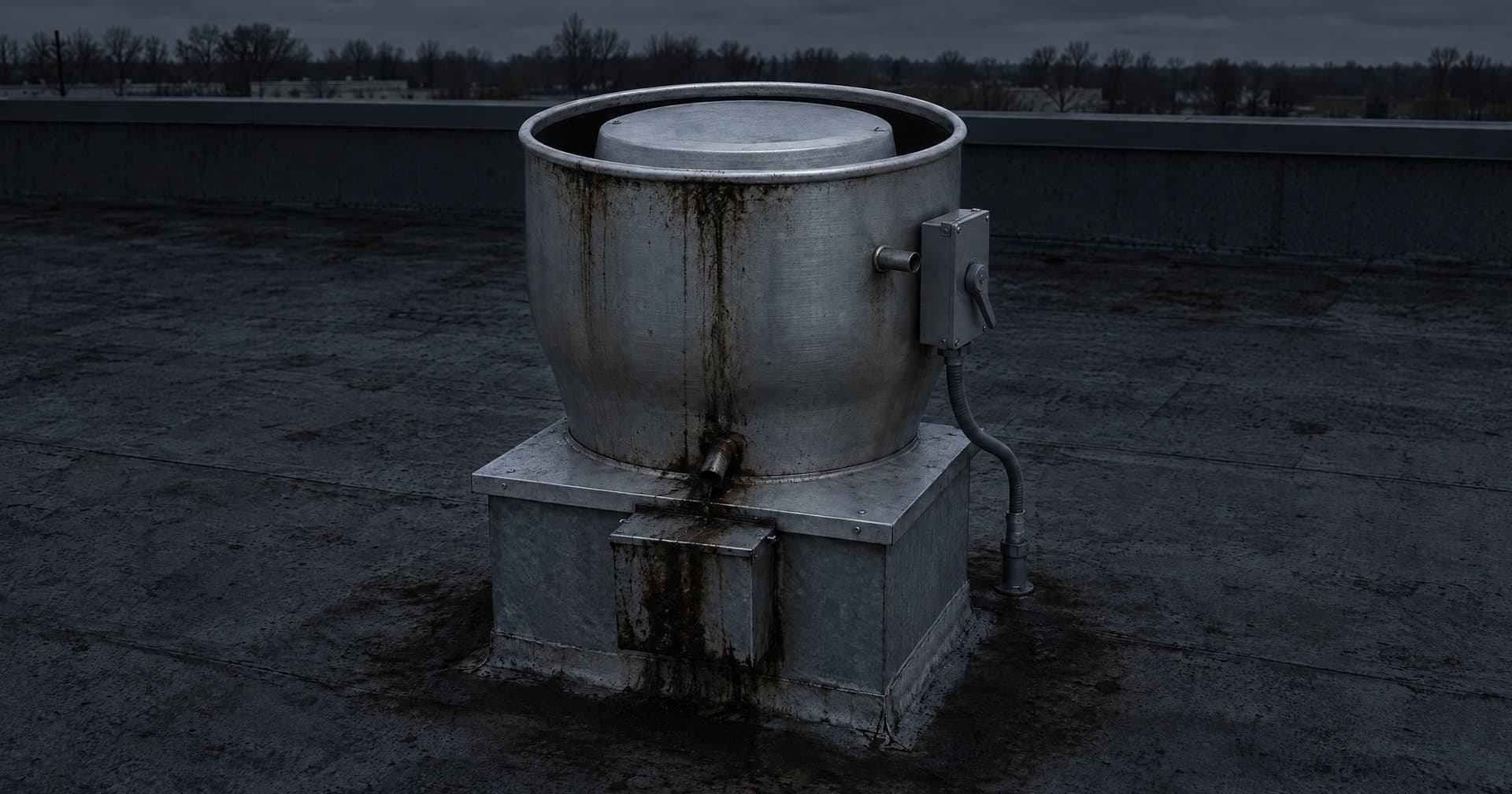
The result: shared exhaust systems go uncleaned for months or years. Grease accumulates in the ductwork. The exhaust fan loses efficiency as bearings wear and belts slip. Capture velocity drops, and every operator in the building starts experiencing smoke blowback, odor issues, and excessive heat.
When a fire marshal inspects and finds three inches of grease buildup in shared ductwork, every operator in the building faces a violation. And the cost of cleaning a large, multi-station exhaust system that has been neglected for two years can run $5,000 to $15,000, a cost that gets split among operators who may have only been in the space for six months.
2. Makeup Air Systems That Were Undersized From Day One
Makeup air is the most commonly shortcut element in ghost kitchen conversions. A proper makeup air system for a high-volume kitchen station exhausting 3,000 to 4,000 CFM requires a dedicated makeup air unit that costs $15,000 to $40,000 installed. When a developer is converting a warehouse into six ghost kitchen stations, the temptation to install one undersized MAU for the entire building, or to skip dedicated makeup air entirely and rely on "natural infiltration" through open doors and windows, is overwhelming.
The consequences are predictable and severe:
- Negative pressure throughout the building. With multiple exhaust hoods pulling air out and inadequate replacement air coming in, the entire building operates under negative pressure. Doors are difficult to open. Delivery drivers struggle with the entrance. Back doors get propped open permanently, introducing unconditioned air, insects, and security vulnerabilities.
- Cooking odors migrate between stations. Under negative pressure, air flows unpredictably. The Thai kitchen's fish sauce aroma infiltrates the burger station. The tandoori operation's smoke drifts into the dessert kitchen. Operators complain about cross-contamination of flavors, and they are not wrong. The air system is pushing contaminants everywhere because it was never designed to contain them.
- Heat accumulation is relentless. Without adequate conditioned makeup air, the heat generated by six kitchens operating simultaneously has nowhere to go. Building temperatures during peak service can reach 100 to 115 degrees in shared corridors and prep areas. Individual stations are even hotter.
3. HVAC Systems Fighting an Impossible Battle
A warehouse or light industrial building that has been converted to a ghost kitchen facility typically retains its original HVAC system, or gets a modest upgrade during the conversion. The problem is that the cooling load of six commercial kitchens operating simultaneously is vastly different from the cooling load of a warehouse storing boxes.
A single commercial kitchen with a full cooking line generates a heat load equivalent to 15 to 30 tons of cooling. Six kitchens in one building can require 80 to 150 tons of cooling capacity. Most converted ghost kitchen facilities have 20 to 40 tons of installed cooling, because that was what the building was designed for and nobody upgraded it.
The result: HVAC systems that run continuously from April through October and still cannot maintain comfortable temperatures. Compressors that fail from overwork. Energy bills that dwarf what operators were told to expect. And a building that is miserably hot six months of the year.
4. Grease Migration Destroys Equipment Faster
In a traditional restaurant, grease-laden exhaust is contained within the hood, captured by baffle filters, and vented through dedicated ductwork to the roof. The grease that escapes the filters accumulates in the ductwork and on the exhaust fan, which is why regular cleaning is critical but the rest of the building is relatively protected.
In a ghost kitchen facility with inadequate ventilation, grease-laden air that escapes the hoods spreads throughout the building. It deposits on HVAC equipment, electrical panels, fire suppression systems, and rooftop units. Rooftop HVAC units on ghost kitchen buildings accumulate grease on their condenser coils at three to five times the rate of units on traditional restaurant buildings, because the building's ventilation system is not properly containing the grease at the source.
Grease-fouled condenser coils reduce cooling efficiency by 25% to 40%. They also create a fire hazard on the rooftop. We have inspected rooftop units on ghost kitchen buildings in Sterling and Springfield where the condenser coils were so coated with grease that the unit was effectively a fire risk. The cost of deep-cleaning a severely grease-fouled RTU runs $800 to $2,000 per unit, and in a multi-unit building, this can become a $5,000 to $10,000 expense that nobody budgeted for.
5. Compliance and Inspection Complexity
Ghost kitchen facilities face a unique regulatory challenge. Health department inspections, fire marshal inspections, and building code compliance all apply, but the multi-tenant nature of the space creates confusion about responsibility and accountability.
In Fairfax County and Prince William County, health inspectors are increasingly scrutinizing ghost kitchen operations. Shared ventilation systems, inadequate air changes, and cross-contamination of cooking odors between stations have all been cited in recent inspections. Fire marshals are looking at ductwork cleanliness, fire suppression coverage, and the general condition of shared exhaust systems.
When a violation is issued, the question of who is responsible, the individual operator, the facility owner, or the management company, often leads to finger-pointing and delays while the violation remains unresolved.
The Maintenance Budget Ghost Kitchen Operators Actually Need
If you are operating a ghost kitchen in the DMV, here is what a realistic annual maintenance budget looks like for your station's share of the mechanical systems:
- Quarterly HVAC service (your proportional share): $800 to $2,000 per year
- Monthly or quarterly hood and exhaust cleaning: $1,800 to $4,800 per year
- Makeup air system maintenance (proportional share): $400 to $1,200 per year
- Fire suppression inspection: $250 to $500 per year
- Emergency repairs (your share of building-wide issues): $500 to $3,000 per year
- Rooftop unit cleaning and coil service: $400 to $1,500 per year
Total realistic annual maintenance budget: $4,150 to $13,000 per station.
Most ghost kitchen operators budget $0 to $2,000 for maintenance because they assume the facility handles it. Many facilities do not, or they handle it inadequately, or they pass the costs through in ways that are not transparent in the lease.
What Smart Ghost Kitchen Operators Do Differently
The operators who succeed long-term in the ghost kitchen model are the ones who treat mechanical maintenance as a core business expense, not an afterthought:
- Read the lease mechanical clauses before signing. Understand exactly who is responsible for what. If the lease is vague about HVAC and ventilation maintenance, negotiate specifics before you sign. Get maintenance schedules, responsibilities, and cost-sharing formulas in writing.
- Inspect the facility's mechanical systems independently. Before committing to a space, hire a commercial kitchen ventilation specialist to assess the building's exhaust, makeup air, and HVAC capacity. If the systems are undersized for the number of kitchens operating, you will be fighting heat, air quality, and equipment failures from day one.
- Demand maintenance records. Ask the facility operator for documentation of HVAC service, hood cleaning, and exhaust system maintenance. If they cannot produce records, the systems are likely neglected.
- Budget for maintenance from day one. Include mechanical maintenance in your operating costs, not as a contingency but as a fixed monthly expense. If the facility does not provide adequate maintenance, arrange it yourself and negotiate a rent offset.
- Monitor your kitchen temperature. A $20 temperature data logger placed in your station gives you objective evidence of conditions over time. If your station routinely exceeds 95 degrees during service, you have documentation for demanding improvements from the facility operator.
The Ghost Kitchen Model Can Work. The Maintenance Has to Be Part of the Plan.
Ghost kitchens are not going away. The delivery-first model serves a real market need, and for operators who want to test concepts, expand delivery coverage, or operate with lower overhead than a traditional restaurant, the model makes financial sense, if the operational costs are honestly accounted for.
The operators who fail in ghost kitchens are often the ones who were attracted by the low entry cost and did not account for the mechanical reality of operating a high-heat, high-grease commercial kitchen in a space that was not designed for it. The heat, the air quality, the equipment failures, and the compliance issues add up to costs that erode the margin advantage the model was supposed to provide.
Qwick Services and Solutions provides HVAC, ventilation, and kitchen mechanical maintenance for ghost kitchen facilities and individual operators across Northern Virginia, DC, and Maryland. Whether you are a facility operator responsible for building-wide systems or an individual kitchen operator dealing with heat and air quality issues in your station, we can help.
Our services include pre-lease mechanical assessments, quarterly HVAC and makeup air maintenance, exhaust system cleaning coordination, airflow balancing for multi-tenant kitchen facilities, and emergency repair service. Contact us before the next breakdown or violation. Proactive maintenance costs a fraction of reactive repairs.