Silver Spring spent decades as the punchline of Montgomery County — the downtown that progress forgot while Bethesda and Rockville got the investment. Then the redevelopment came. The Civic Building, the Discovery headquarters, the Fillmore, the mixed-use towers along Georgia Avenue and Colesville Road, and the cascade of restaurants that followed the foot traffic. Downtown Silver Spring went from a place people drove past to a place people walked to, and the restaurants became the connective tissue of the new neighborhood.
The restaurant scene that emerged is one of the most diverse in the Maryland suburbs. Ethiopian restaurants cluster along Georgia Avenue — Silver Spring has the highest concentration of Ethiopian dining outside of Addis Ababa and the District itself. Peruvian, Salvadoran, Vietnamese, Indian, Jamaican, and West African restaurants fill the surrounding blocks. The culinary diversity is genuine, rooted in the communities that live in Silver Spring, not imported as a branding exercise. And every one of those kitchens is running an exhaust system through a building that has its own particular set of maintenance challenges.
Three Building Types, Three Sets of Problems
The redeveloped mixed-use buildings: The new construction along Ellsworth Drive and the surrounding blocks was designed with ground-floor restaurant spaces, which means the exhaust systems were engineered into the building from the start. These systems generally have proper vertical duct runs, adequate access panels, and rooftop terminations that are reachable through building infrastructure. The challenge here is coordination — the building management company controls roof access, security protocols, and scheduling. Getting a hood cleaning crew into a managed mixed-use building requires advance coordination that smaller operators often do not plan for, leading to deferred service.
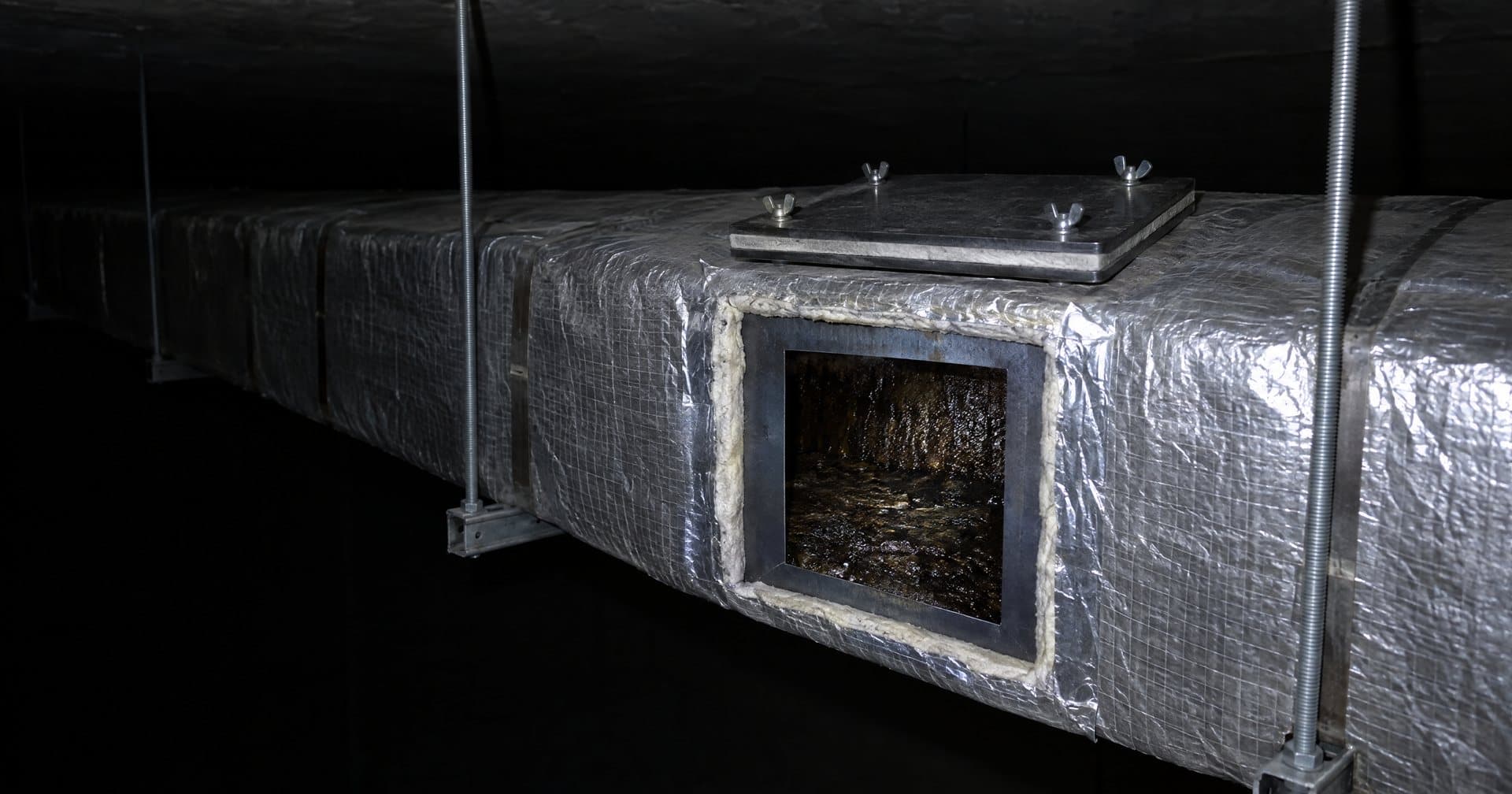
The older commercial buildings: Along Georgia Avenue and Colesville Road, many restaurants occupy spaces in buildings from the 1950s through 1980s that were converted from retail or office use. The exhaust systems in these spaces are retrofits — ductwork threaded through existing structure, horizontal runs navigating around building elements, rooftop fans mounted on structures that were not designed to support them. These systems are harder to clean, harder to access, and more likely to have sections that have never been properly serviced.
The converted and adaptive-reuse spaces: Silver Spring''s redevelopment included some creative adaptive reuse — former industrial and commercial spaces converted into restaurant and entertainment venues. These spaces can have unusual exhaust configurations driven by the building''s original purpose, with duct runs that follow paths dictated by structural constraints rather than optimal engineering. A hood cleaning crew encountering one of these systems for the first time needs to map the ductwork before they can clean it.
The Georgia Avenue Ethiopian Kitchen
Silver Spring''s Ethiopian restaurants deserve specific attention because their cooking methods produce exhaust system conditions that differ from standard American commercial cooking. Ethiopian cuisine relies heavily on the mitad — a large, flat griddle used to cook injera, the spongy flatbread that is the foundation of the cuisine. The mitad produces steam and a light oil vapor that coats duct surfaces differently than the heavy grease produced by fryers and charbroilers. Additionally, Ethiopian kitchens use significant amounts of spiced clarified butter and oil in their stew preparations, which generate grease-laden vapors with different chemical compositions than standard cooking oils.
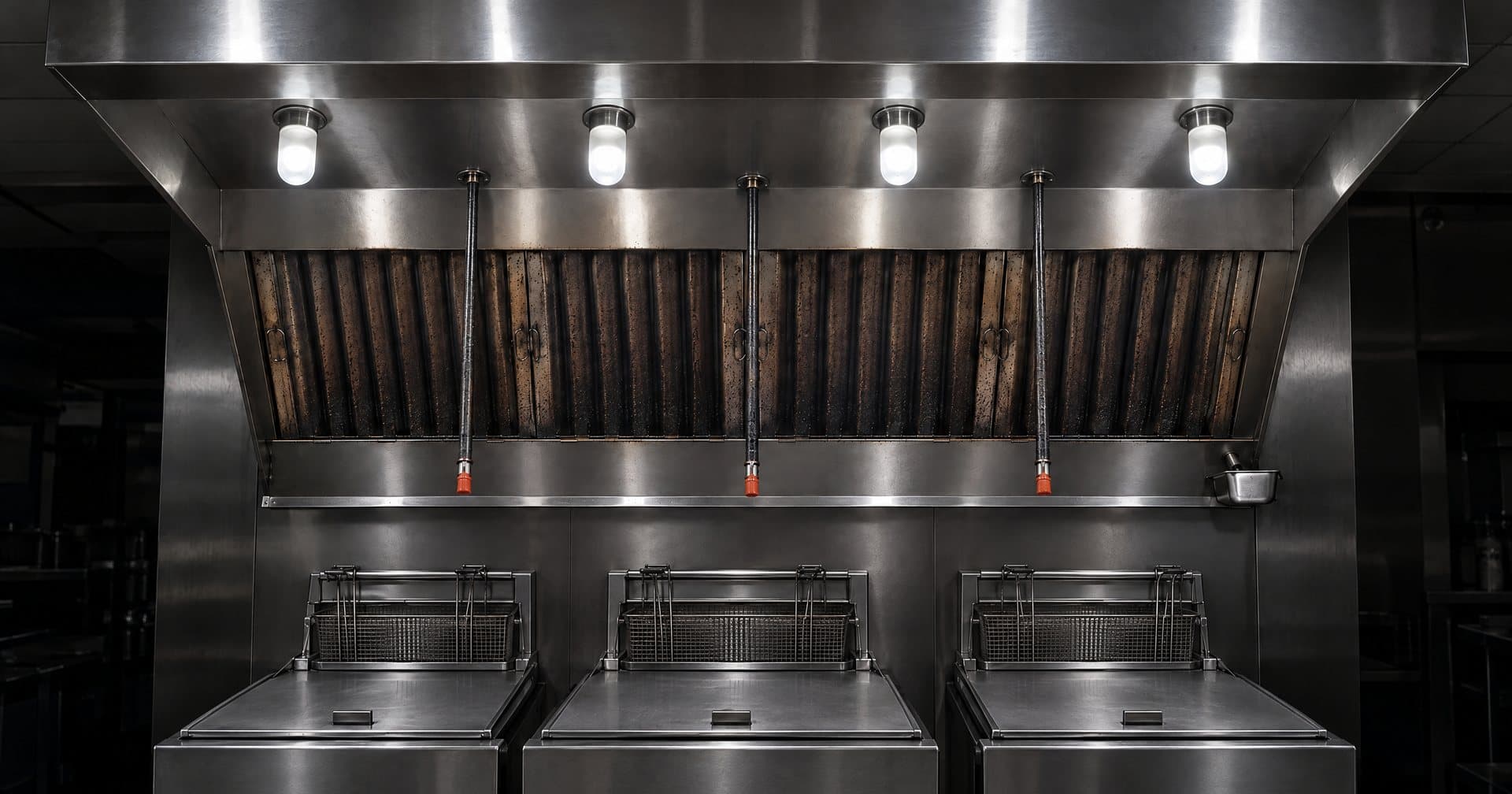
The result is an exhaust system that may not look as visibly dirty as one serving a burger-and-fry operation but is accumulating residue that is equally combustible. The cleaning schedule for an Ethiopian restaurant should be based on the same NFPA 96 criteria as any other operation — cooking type, volume, and frequency — not on a visual assessment of how dirty the system appears.
Montgomery County Enforcement
Silver Spring, like Bethesda, falls under Montgomery County''s fire code enforcement. The Montgomery County Division of Fire Code Compliance inspects commercial cooking operations and requires documentation of exhaust system maintenance. The inspection schedule is risk-based, meaning operations with previous violations or higher-risk cooking profiles may see more frequent inspections.
The enforcement reality in Silver Spring is that the diversity and volume of restaurant operations strain the inspection capacity. An operator who has never been inspected should not interpret that as evidence that the requirement does not exist — it means the inspector has not reached them yet. When the inspection does come, the operator must produce documentation of cleaning service at the required frequency. Retroactive compliance is not a concept the fire code recognizes.
The Cost Sensitivity Factor
Silver Spring''s restaurant market includes a significant number of operators working on tight margins. The Ethiopian restaurants, the Salvadoran pupuserias, the Jamaican patty shops, and the West African kitchens along Georgia Avenue are family businesses operating in a market where rent has increased dramatically with redevelopment while menu prices are constrained by the communities they serve. For these operators, a three-hundred-dollar hood cleaning is a meaningful expense that competes with payroll, inventory, and rent for priority.
The expense is real, and it deserves honest acknowledgment. But the alternative is not free. A fire inspection violation carries fines. A grease fire carries damage costs that start in the tens of thousands. An insurance claim denied for failure to maintain the exhaust system carries the cost of the entire loss. And a fire that forces a six-month closure carries the cost of every employee who needed that paycheck and every customer who needed that restaurant to be there.
The math favors maintenance at every margin level. A quarterly cleaning at three to five hundred dollars is fifteen hundred to two thousand dollars a year. A single grease fire will cost more than a decade of compliant maintenance. For operators working on tight margins, the cleaning is not the expense that breaks the budget — the fire is.
What Silver Spring Operators Need
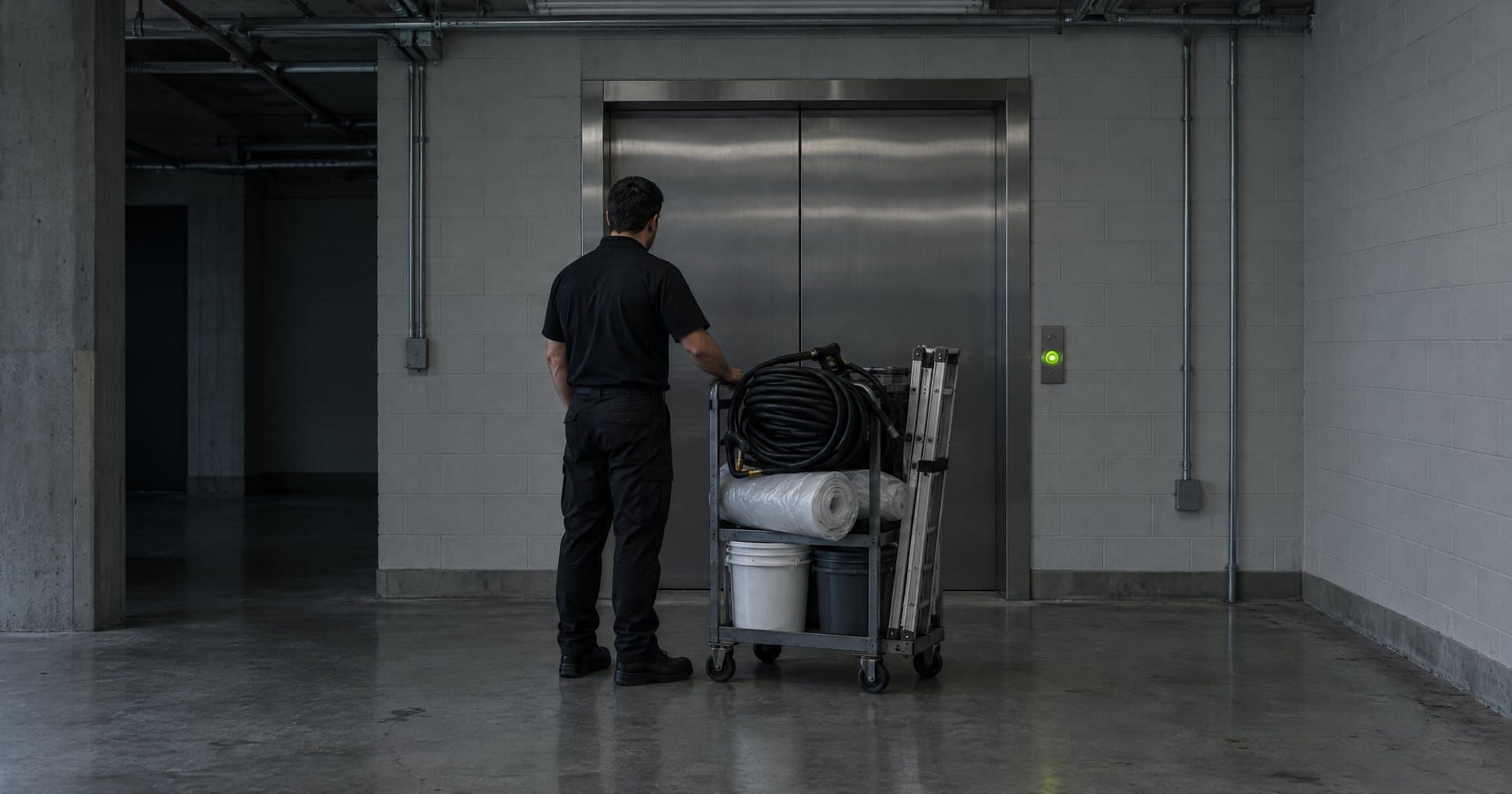
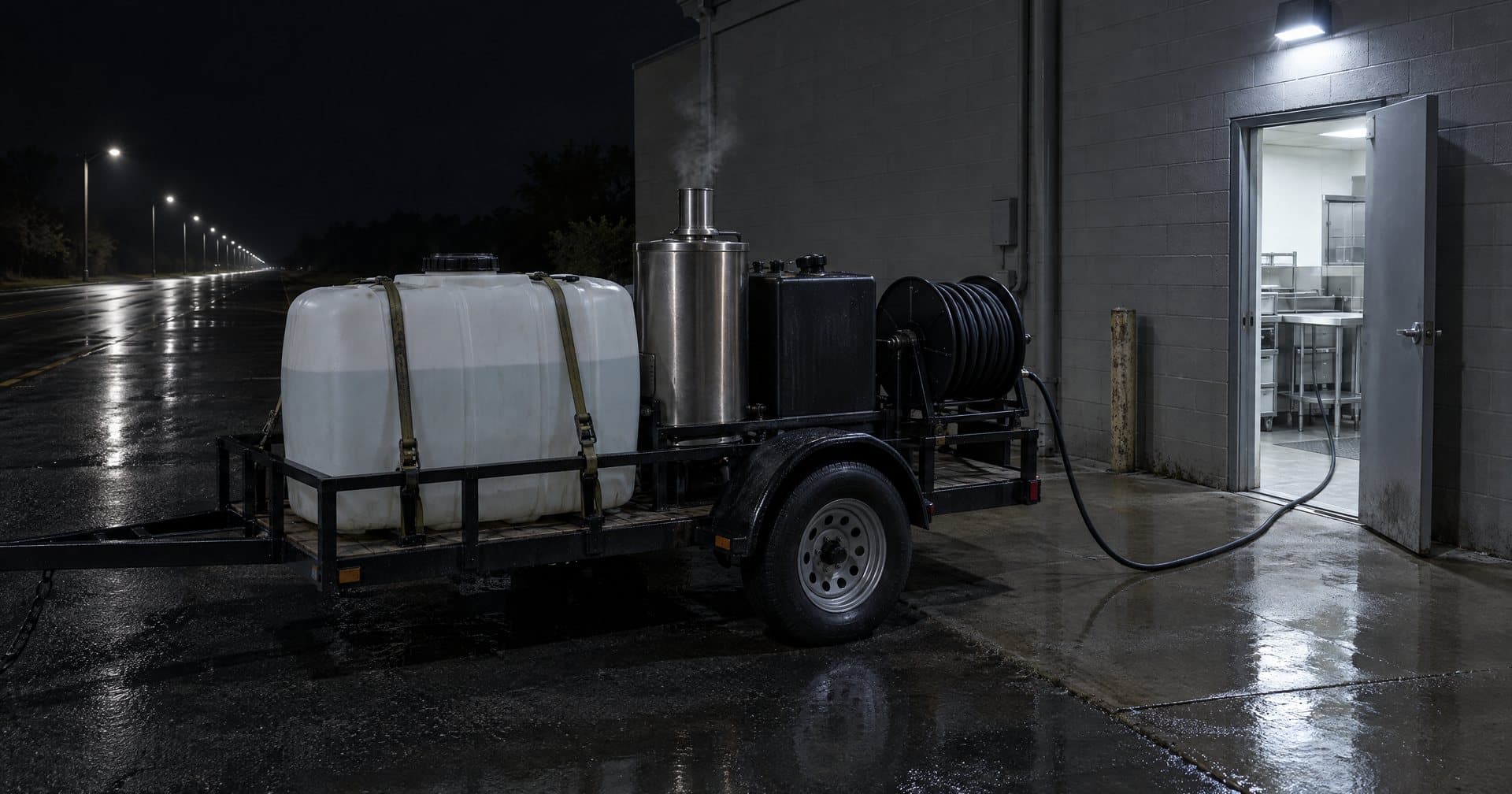
A complete exhaust system service for a Silver Spring restaurant should include hood interior and filter degreasing, full duct cleaning from hood to rooftop termination, rooftop fan service, grease containment management, and documented before-and-after photography with a signed service certificate. For operators in managed buildings, the service should include coordination with building management for roof access and scheduling.
Silver Spring fought hard for its revival. The restaurants that anchor the downtown are not interchangeable — they are specific to the communities that built them, and losing one to a preventable fire is a loss that goes beyond the balance sheet. Maintaining the exhaust systems that keep those kitchens running is the most basic form of protecting what the neighborhood has built.