It's Tuesday Morning. Do You Know Where All Your Vendors Are?
Picture this: You're running a busy kitchen in Arlington, and your phone won't stop buzzing. The hood cleaning company rescheduled—again—because their crew is short-staffed. Your grease trap service missed last month entirely, and you only noticed because of the smell. The HVAC technician says he came by Thursday, but nobody on your team saw him. Meanwhile, the fire marshal is due in two weeks, and you can't find the certificate from your last fire suppression inspection because it was emailed to a manager who quit in October.
Sound familiar? If you're managing a commercial kitchen anywhere in Virginia, DC, or Maryland, you've probably lived some version of this nightmare. The average restaurant works with four to five separate maintenance vendors, each with their own schedule, their own invoice, their own customer service number, and their own excuses when things fall through the cracks.
There's a better way to do this. And it doesn't require you to become a full-time maintenance coordinator on top of everything else you're already juggling.
The Hidden Cost of Fragmented Kitchen Maintenance
Most restaurant owners and managers don't set out to build a complicated vendor network. It happens gradually. You hire a hood cleaning company when you open. A few months later, you need grease trap service, so you find someone. The HVAC goes out in July, and whoever answers the phone first gets the job. Before you know it, you're managing a half-dozen vendor relationships, and none of them talk to each other.
The real costs of this fragmented approach go far beyond the invoices themselves:
Time You Don't Have
Every vendor relationship requires management. Scheduling calls, confirming appointments, chasing down certificates, resolving billing disputes, finding replacements when someone no-shows. For a typical DMV-area restaurant, owners and managers spend 8-12 hours per month on maintenance coordination alone. That's time you could spend on menu development, staff training, or simply being present on the floor during service.
Gaps That Lead to Failures
When five different companies are responsible for five different systems, nobody is looking at the big picture. Your hood cleaning vendor doesn't know that the rooftop HVAC unit is leaking onto the exhaust fan housing. Your fire suppression company doesn't realize the hood filters haven't been properly maintained between cleanings. These gaps don't just create inefficiency—they create compounding problems that lead to expensive breakdowns and dangerous conditions.
Inconsistent Documentation
Fire inspectors in Fairfax County, Prince George's County, and DC all want to see organized maintenance records. When your documentation comes from five different companies in five different formats—some emailed, some left as handwritten carbon copies, some supposedly "in the system"—pulling together a complete compliance picture becomes a scavenger hunt. We've talked to restaurant owners who've received citations not because they skipped maintenance, but because they couldn't prove they didn't.
No Leverage, No Priority
When you're one small account among hundreds for each vendor, you don't get priority treatment. Emergency calls go to the bottom of the queue. Rescheduled appointments get pushed out weeks. You're paying full price with no volume advantage. Each vendor sees a fraction of your spending, so none of them treat you like the valuable customer you actually are.
What Bundled Kitchen Maintenance Actually Looks Like
A bundled maintenance program consolidates your critical kitchen services under one provider, one schedule, and one point of contact. Instead of juggling separate companies for each system, you get a single, coordinated plan that covers everything your kitchen needs to stay compliant, efficient, and operational.
Here's what falls under a comprehensive bundled program:
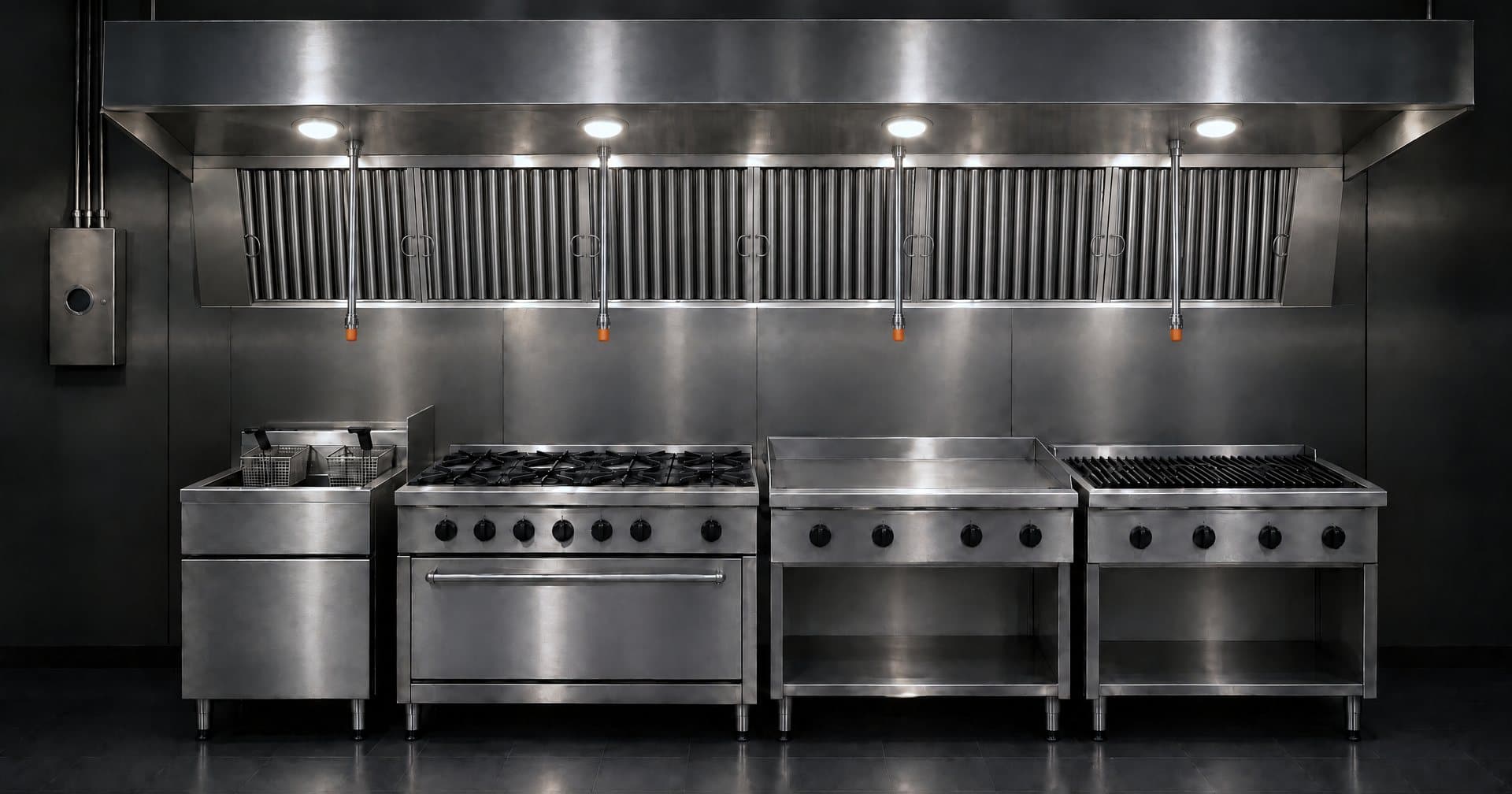
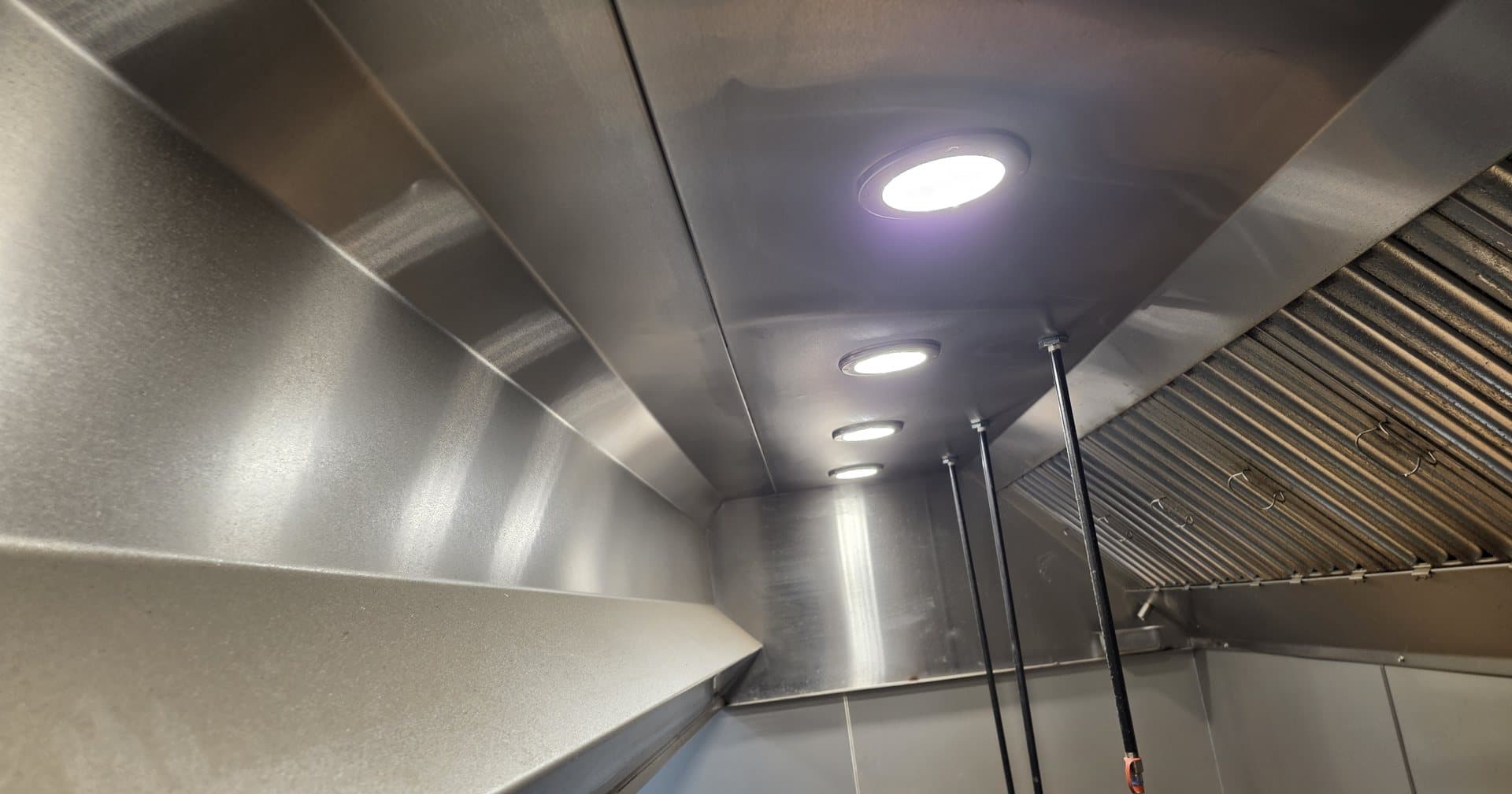
- Hood and exhaust system cleaning — Full NFPA-96 compliant cleaning on the schedule your cooking volume demands, from hood to fan to rooftop termination
- Grease trap maintenance — Scheduled pumping, cleaning, and documentation that keeps you compliant with local wastewater regulations across VA, DC, and MD
- HVAC service — Preventive maintenance, filter changes, and seasonal tune-ups for kitchen climate control and make-up air systems
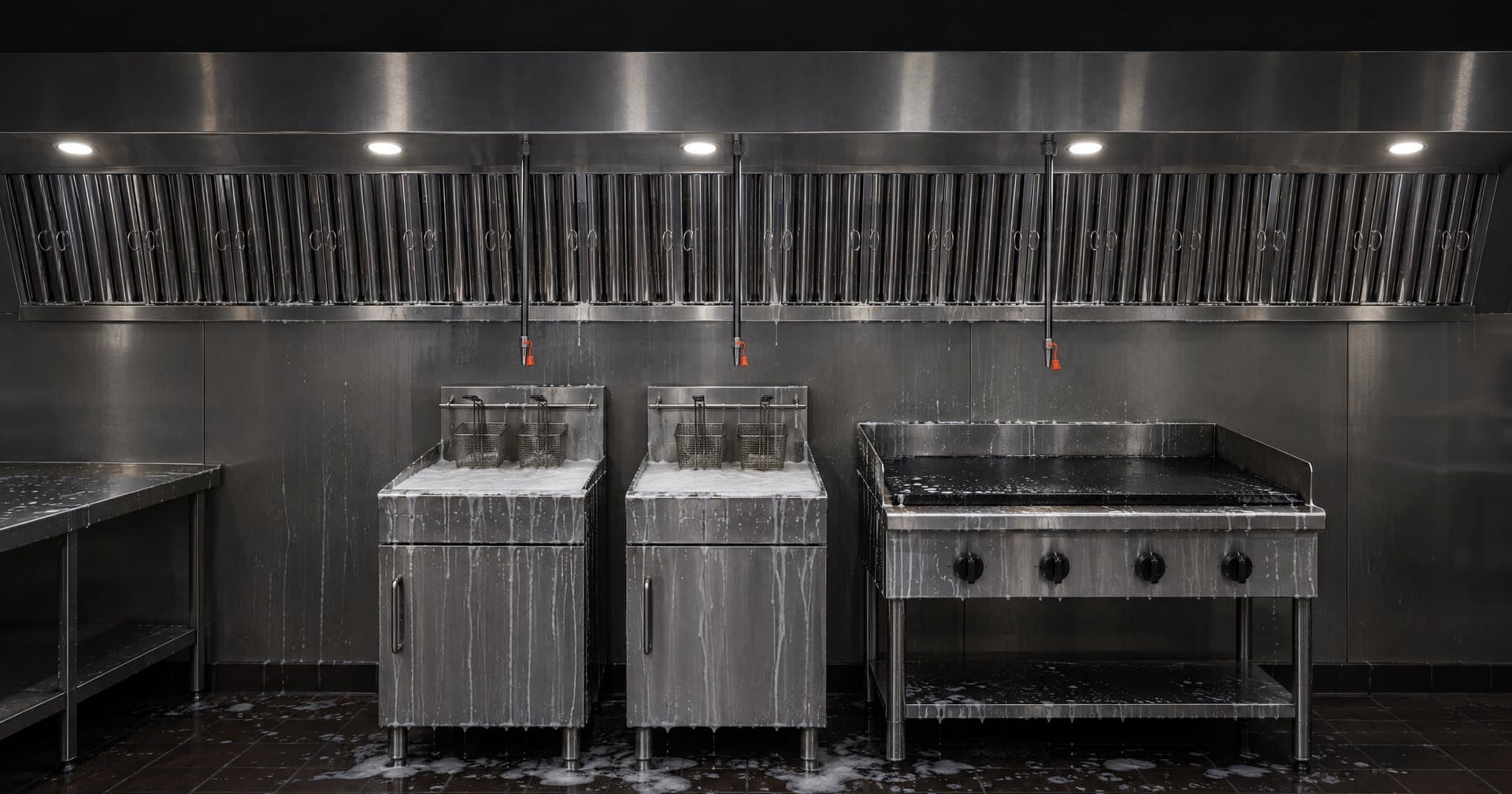
- Fire suppression systems — Semi-annual inspections, certification, and recharging of your Ansul or equivalent wet chemical system
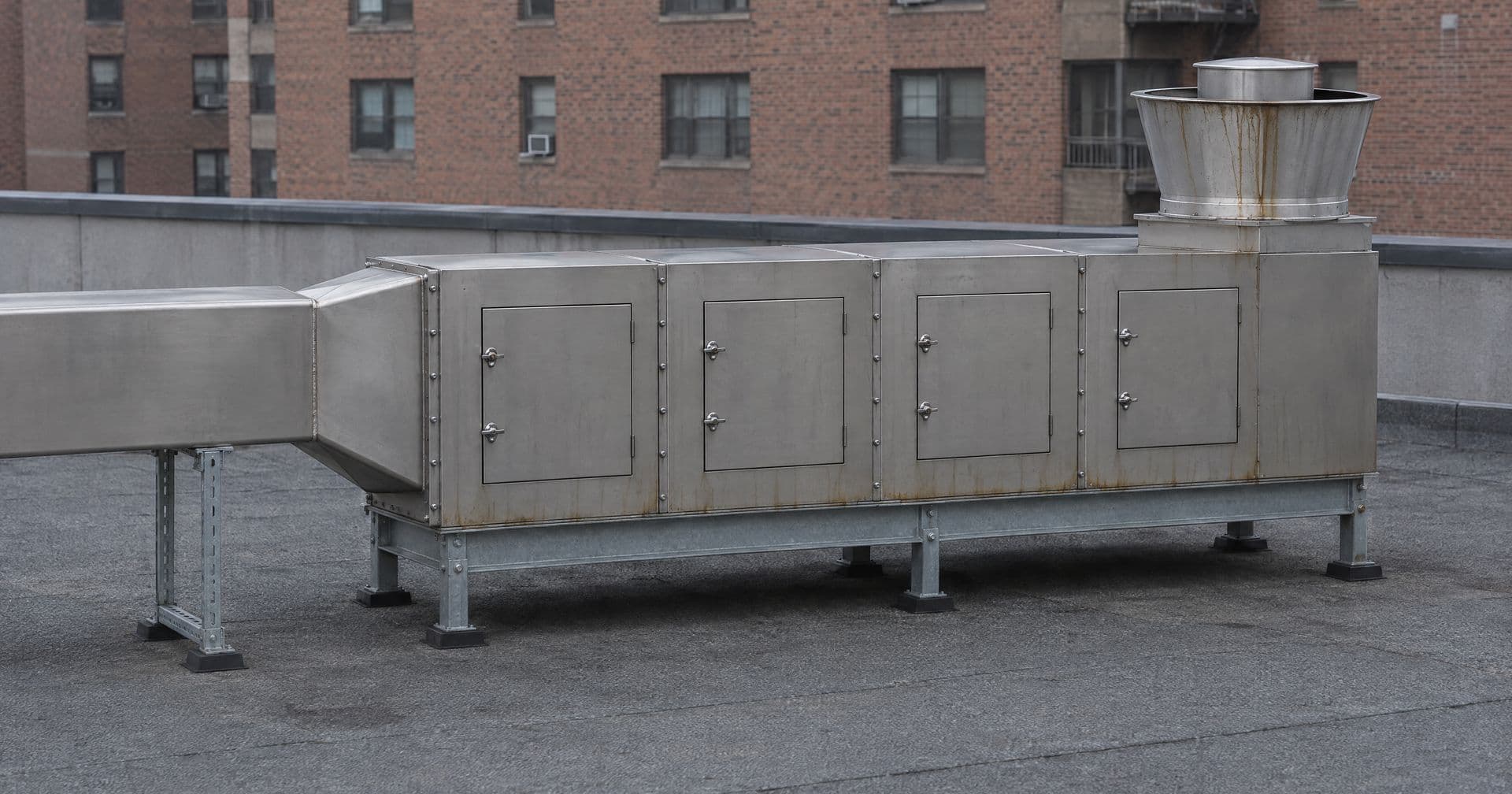
- Pollution Control Unit (PCU) maintenance — Cleaning and servicing of rooftop units that control grease-laden exhaust, especially critical in DC and dense Northern Virginia locations where emissions regulations are strict
The key differentiator isn't just that one company does all the work. It's that one team understands your entire kitchen ecosystem. When our technician cleans your hood system, they're also noting that the make-up air unit is struggling or the grease trap is filling faster than expected. Problems get caught early because the people in your kitchen are looking at all of it, not just their narrow slice.
The Numbers: Separate Vendors vs. Bundled Program
Let's break down what a typical mid-volume restaurant in the DMV area spends on maintenance with separate vendors versus a bundled approach. These numbers reflect real pricing we see from operators in Northern Virginia, DC, and Maryland suburbs.
Separate Vendor Costs (Annual)
- Hood cleaning (quarterly): 4 visits × $450-$650 = $1,800-$2,600
- Grease trap service (monthly): 12 visits × $185-$275 = $2,220-$3,300
- HVAC maintenance (semi-annual + filters): 2 visits × $350 + filters = $900-$1,400
- Fire suppression inspection (semi-annual): 2 visits × $250-$400 = $500-$800
- PCU cleaning (quarterly): 4 visits × $300-$500 = $1,200-$2,000
Total with separate vendors: $6,620-$10,100 per year
But that's just the invoice total. Add the hidden costs:
- Management time (8-12 hrs/month × $25-$35/hr): $2,400-$5,040 per year
- Missed or rescheduled appointments causing compliance gaps: $500-$2,000 in potential fines
- Emergency repairs from deferred or missed maintenance: $1,500-$4,000 per year
- Duplicate trip charges and service call minimums: $300-$600 per year
True annual cost with separate vendors: $11,320-$21,740
Bundled Program Costs (Annual)
A comprehensive bundled maintenance program for the same kitchen typically runs:
- Complete bundled service: $6,000-$8,400 per year ($500-$700/month)
- Management time (1-2 hrs/month with single point of contact): $300-$840 per year
- Emergency repairs (reduced 60-70% through proactive maintenance): $450-$1,200 per year
- Compliance gaps and fines: Virtually eliminated with coordinated scheduling
True annual cost with bundled program: $6,750-$10,440
Annual savings: $4,570-$11,300 — and that's before accounting for the extended equipment life that preventive maintenance delivers. Restaurants on a consistent bundled program see equipment lifespans increase by 30-50%, which translates to tens of thousands in deferred capital expenditures over a five- to ten-year period.
Three Tiers for Three Types of Kitchens
Not every restaurant has the same maintenance needs. A neighborhood cafe running one fryer and a flat-top grill is a fundamentally different operation from a high-volume steakhouse with multiple hood systems and solid-fuel cooking. That's why a smart bundled program offers flexibility, not a one-size-fits-all package.
Essential Tier — For Small Restaurants and Limited Menus
Designed for operations doing moderate cooking volume with simpler exhaust systems. Covers core hood cleaning, grease trap service, fire suppression inspections, and basic HVAC maintenance. Ideal for cafes, delis, small ethnic restaurants, and seasonal operations throughout the DMV area. Predictable monthly pricing keeps maintenance costs manageable for businesses operating on the thinnest margins.
Complete Tier — For Busy, Full-Service Kitchens
Built for restaurants running heavy volume with multiple cooking stations, charbroilers, fryers, and complex exhaust configurations. Includes more frequent hood cleaning cycles, full PCU maintenance, comprehensive HVAC service, and priority scheduling. This is the sweet spot for most full-service restaurants, busy fast-casual concepts, and hotel kitchens across Northern Virginia, DC, and Maryland. The Complete tier is our most popular program because it matches the reality of how most commercial kitchens in this region actually operate.
Enterprise Tier — For Multi-Location Operators
Designed for restaurant groups, franchisees, and hospitality companies managing multiple kitchens. Centralized scheduling, consolidated invoicing, standardized reporting across all locations, and dedicated account management. When you're operating three, five, or fifteen locations, the coordination savings alone justify the program—but the consistency of service across every site is what operators value most. One standard. One report format. One phone call to handle everything.
Why This Matters More in the DMV
Running a restaurant in the Virginia, DC, and Maryland corridor comes with unique pressures that make bundled maintenance particularly valuable:
- Aggressive inspection schedules — Fire marshals and health departments in Fairfax, Arlington, Montgomery County, Prince George's County, and DC itself are among the most active in the mid-Atlantic. Compliance gaps get found quickly, and fines add up faster than you'd expect.
- Labor costs and turnover — The DMV has some of the highest restaurant labor costs in the country. Every hour your manager spends coordinating vendors is an hour they're not training staff, managing service, or controlling food costs. With turnover rates above 70% in many kitchens, institutional knowledge about maintenance schedules walks out the door regularly.
- Tight margins in a competitive market — Between rising rents in DC, increasing minimum wages in Maryland, and the sheer density of dining options across Northern Virginia, DMV restaurants operate on razor-thin margins. Predictable monthly maintenance costs eliminate the budget-busting surprise repair bills that can wreck a quarter's financials.
- Older building stock — Many DMV restaurants operate in older buildings with aging infrastructure. Exhaust systems, HVAC, and grease management systems in these buildings need more attention, not less. A bundled program ensures nothing gets neglected because it fell between the cracks of multiple vendor responsibilities.
What "Zero Surprises" Really Means
When we talk about eliminating surprises, we're talking about three specific things:
No Scheduling Surprises
Every service visit is planned, confirmed, and documented. You know exactly when technicians are coming, what they're doing, and when the next visit is scheduled. If something needs to change, you make one phone call to one person—not four calls to four companies. Your maintenance calendar is set at the beginning of the year and adjusted as your business needs evolve.
No Financial Surprises
Predictable monthly pricing means you know your maintenance cost to the penny, every single month. No surprise invoices, no "we found additional work" upcharges, no trip charges or fuel surcharges that weren't in the original quote. You budget it once and forget about it. For restaurants running tight P&L management—which should be all of them—this predictability is transformational.
No Compliance Surprises
Comprehensive documentation is maintained digitally and organized by system, date, and location. When the fire marshal walks in, you pull up a clean, complete record in under a minute. Certifications are tracked proactively—you'll never discover an expired fire suppression certificate the morning of an inspection. Every service generates a detailed report that's stored, organized, and accessible whenever you need it.
Priority Emergency Response: Because Kitchens Don't Break Down on Schedule
Even the best preventive maintenance program can't prevent every emergency. Exhaust fans fail. Grease traps back up during the busiest Friday night of the year. HVAC systems die in August. When you're on a bundled program, you don't go to the back of the queue behind every other one-off customer calling for help. You get priority emergency response because you're not just a customer—you're a partner.
For DMV restaurants, where a single lost evening of service during the busy season can mean $5,000-$15,000 in lost revenue, the difference between a four-hour response time and a twenty-four-hour response time is the difference between an inconvenience and a financial crisis.
The Equipment Longevity Factor
Here's something that doesn't show up in the monthly cost comparison but matters enormously over time: consistent preventive maintenance extends equipment life by 30-50%. That rooftop exhaust fan rated for 8-10 years? With regular cleaning and service, it runs 12-15 years. The HVAC system that typically needs replacement at year 12? You're pushing it to 16-18 years with proper maintenance.
When you consider that a commercial exhaust fan replacement runs $2,500-$6,000 installed, and a rooftop HVAC unit can cost $8,000-$20,000, the math on preventive maintenance becomes overwhelming. You're not just saving on monthly maintenance costs—you're deferring major capital expenditures by years.
Fragmented vendor maintenance can't deliver this because nobody is looking at your equipment holistically. The hood cleaning company doesn't care about the condition of your exhaust fan bearings. The HVAC technician isn't checking whether grease migration from the hood system is degrading the rooftop unit. A bundled program connects the dots because the same team sees all of it, every time.
Making the Switch: Easier Than You Think
Most restaurant owners we talk to assume that consolidating vendors will be a logistical headache—canceling contracts, overlapping service periods, getting everyone on the same schedule. In practice, the transition takes about 30 days. Here's what it looks like:
- Assessment — We evaluate all your kitchen systems, review existing maintenance records, and identify gaps or overdue services
- Custom plan development — Based on your cooking volume, equipment age, local compliance requirements, and budget, we build a maintenance schedule tailored to your specific operation
- Transition coordination — We help you manage the handoff from existing vendors, ensuring no service gaps during the switch
- Ongoing management — From day one, you have a single point of contact, a clear schedule, and a predictable monthly cost
Most existing vendor contracts in the maintenance space are month-to-month or have 30-day cancellation clauses. If you're locked into a longer-term agreement, we'll work around those timelines and phase services in as contracts expire.
Stop Managing Vendors. Start Managing Your Restaurant.
You got into the restaurant business to feed people, build something meaningful, and create a place where your community gathers. You didn't get into it to spend your mornings on hold with five different maintenance companies, chasing down service certificates, and praying that nothing falls through the cracks before the next inspection.
One vendor. One schedule. One invoice. One phone call when something goes wrong. That's not a luxury—it's common sense for any serious restaurant operation in the DMV.
Qwick Services and Solutions offers free, no-obligation kitchen maintenance assessments for restaurants throughout Virginia, Washington DC, and Maryland. We'll walk through your current maintenance setup, identify what's working, what's not, and what it would look like to consolidate everything under one program designed around your specific kitchen.
Whether you're running a single neighborhood spot in Falls Church or managing a dozen locations across the DMV, we'll build a program that fits.
Contact Qwick Services and Solutions today to schedule your free assessment. Let us handle the maintenance so you can get back to what you do best—running a great restaurant.
Serving Virginia | Washington, DC | Maryland
Keep reading: how much commercial hood cleaning costs and how often it's required.