What is NFPA-96?
NFPA-96 is the Standard for Ventilation Control and Fire Protection of Commercial Cooking Operations—the national fire code that governs commercial kitchen exhaust systems across the United States. For restaurant owners in Virginia, DC, and Maryland, understanding and complying with NFPA-96 isn't optional; it's a legal requirement that protects your business, employees, and customers from devastating kitchen fires.
The National Fire Protection Association updates NFPA-96 every three years to reflect the latest fire safety research and industry best practices. The current edition applies to all commercial cooking operations, from small cafes to large restaurant chains throughout the DMV area.
Why NFPA-96 Compliance Matters for Your Restaurant
Fire prevention saves lives and businesses. Cooking equipment is the leading cause of restaurant fires, accounting for over 60% of all incidents. Grease buildup in exhaust systems acts as fuel, turning a small kitchen fire into a catastrophic event within minutes.
Beyond safety, NFPA-96 compliance affects:
- Insurance coverage - Many policies require documented compliance
- Health inspections - Local fire marshals regularly check exhaust systems
- Business licenses - Non-compliance can result in closure orders
- Liability protection - Proper maintenance demonstrates due diligence
Key NFPA-96 Requirements Every DMV Restaurant Owner Must Know
Cleaning Frequency Standards
NFPA-96 mandates specific cleaning schedules based on your cooking volume and type:
- Systems serving solid fuel cooking - Monthly cleaning required
- High-volume operations (24-hour, charbroiling, wok cooking) - Quarterly cleaning
- Moderate-volume operations - Semi-annual cleaning
- Low-volume operations (churches, day camps, seasonal businesses) - Annual cleaning
What Must Be Inspected and Cleaned
Complete exhaust system cleaning includes:
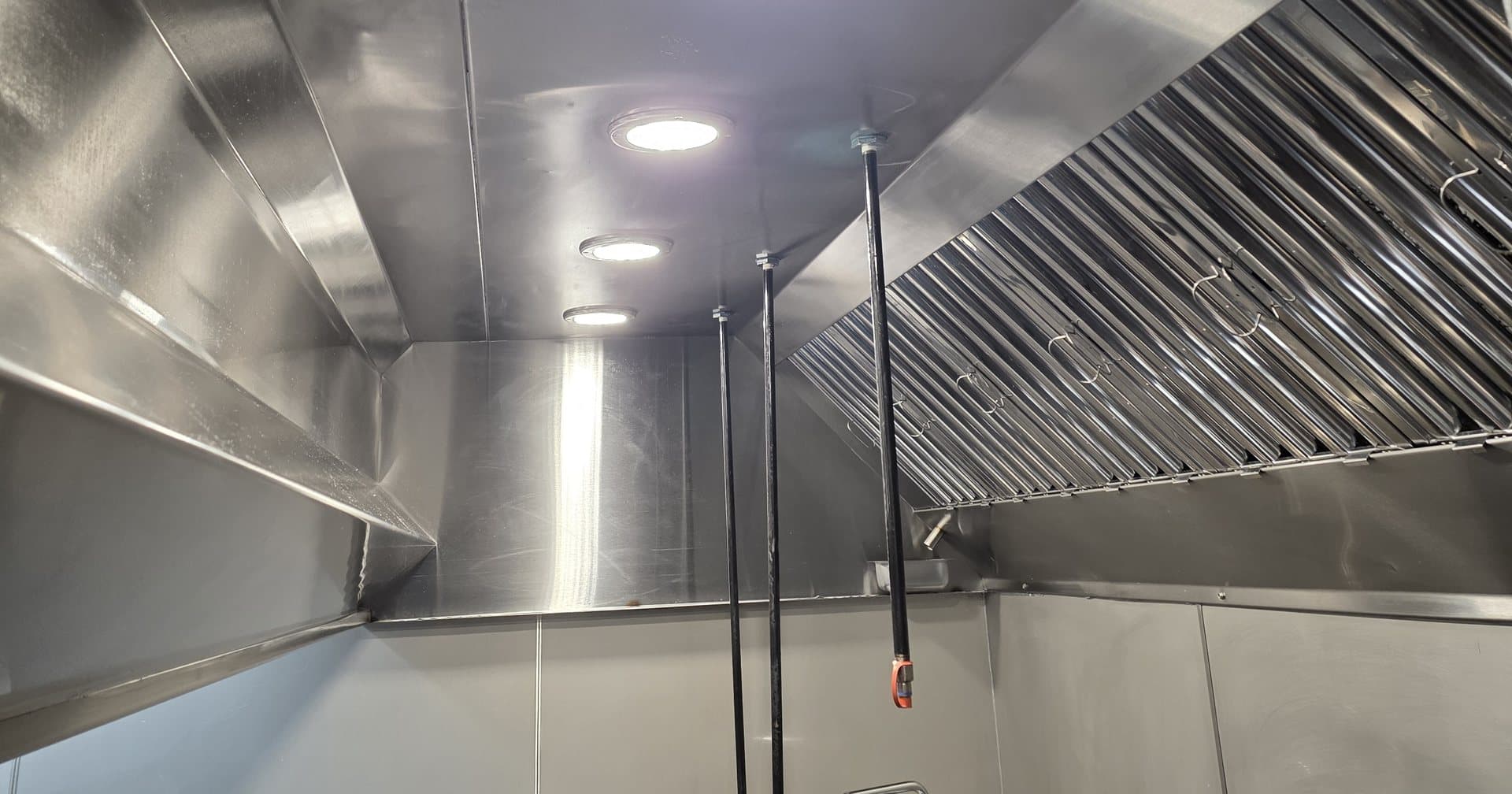
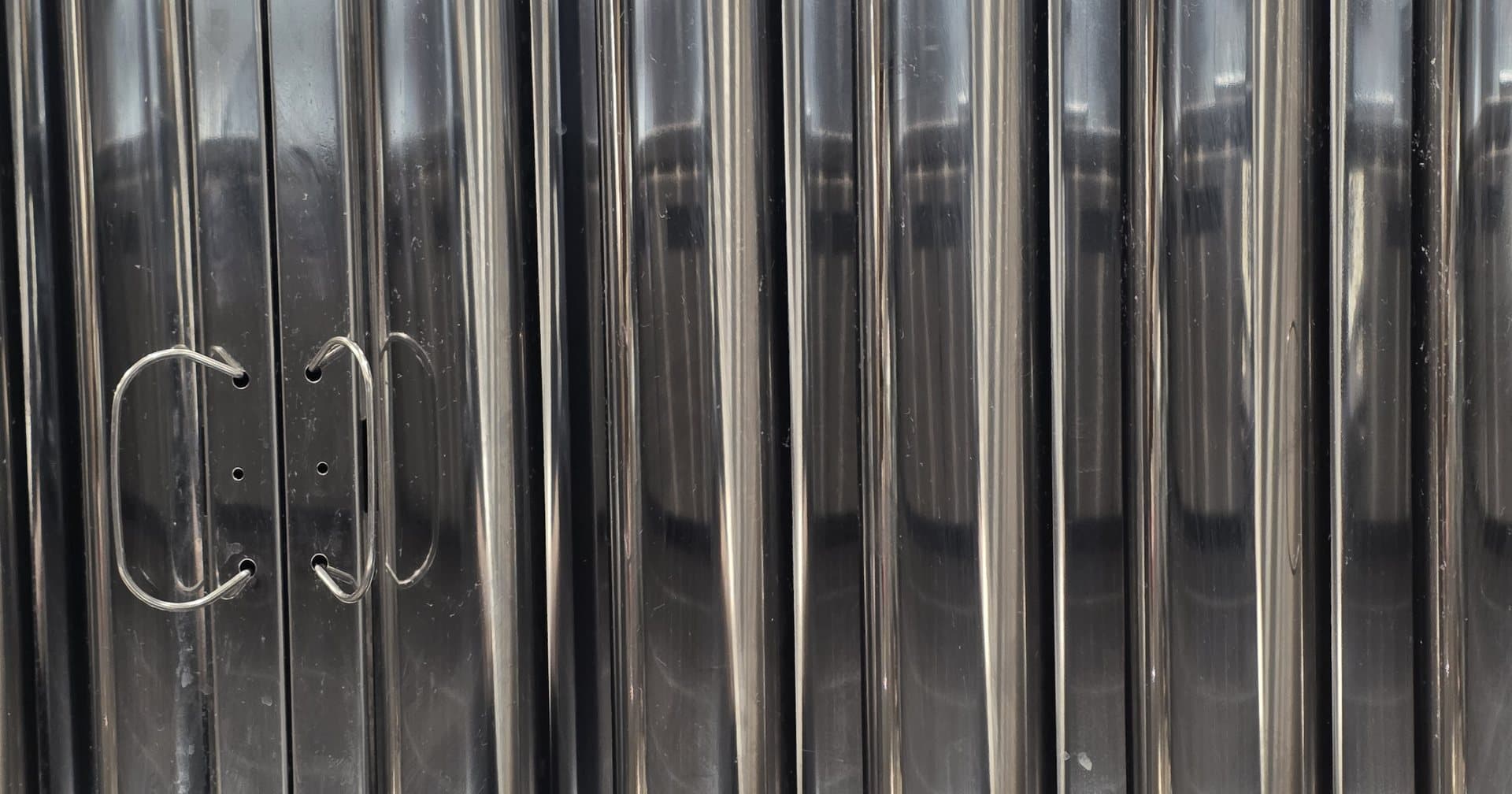
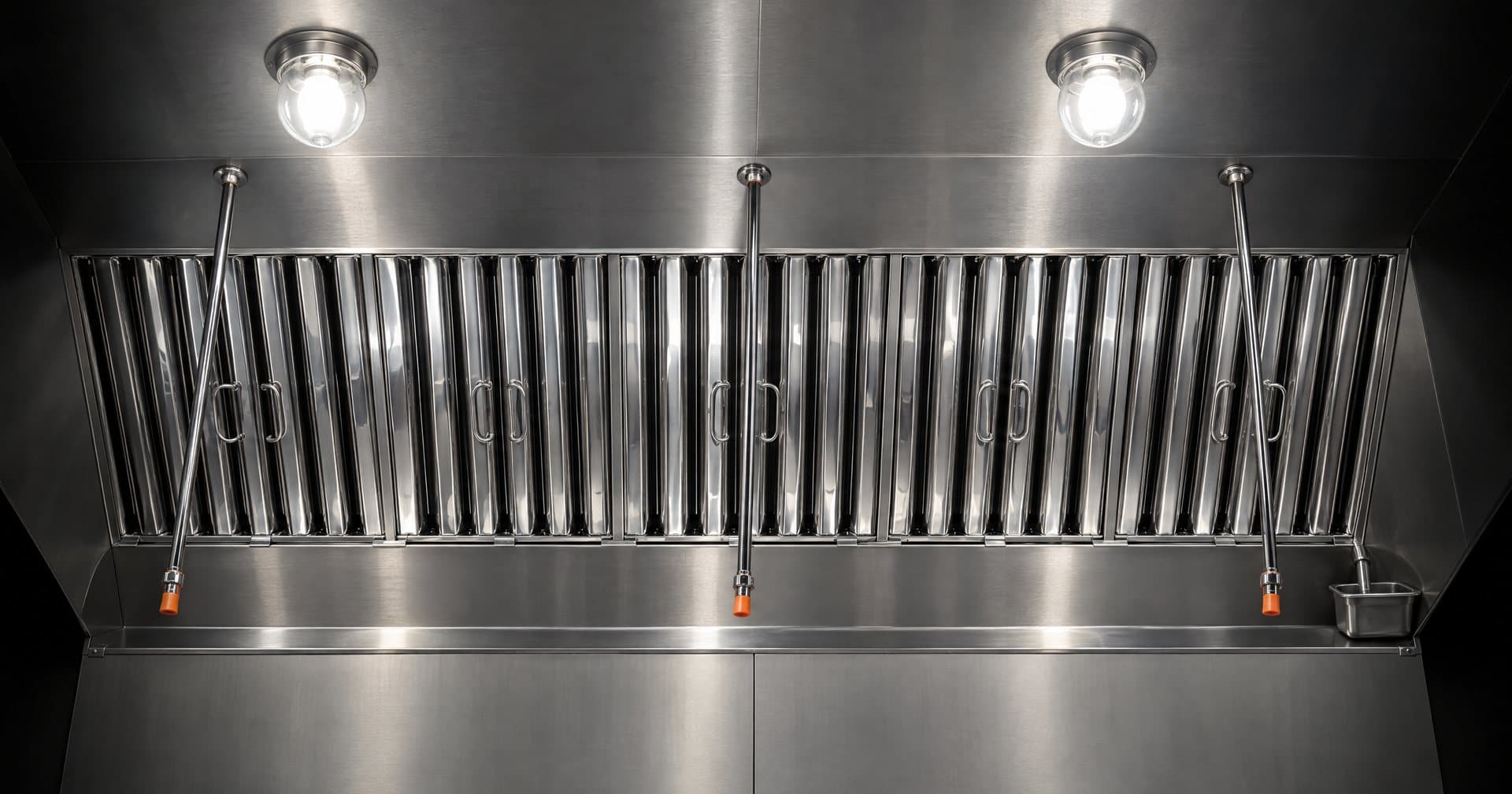
- Hood surfaces - Interior and exterior, including all grease traps
- Exhaust ducts - From hood to roof termination, accessible and inaccessible areas
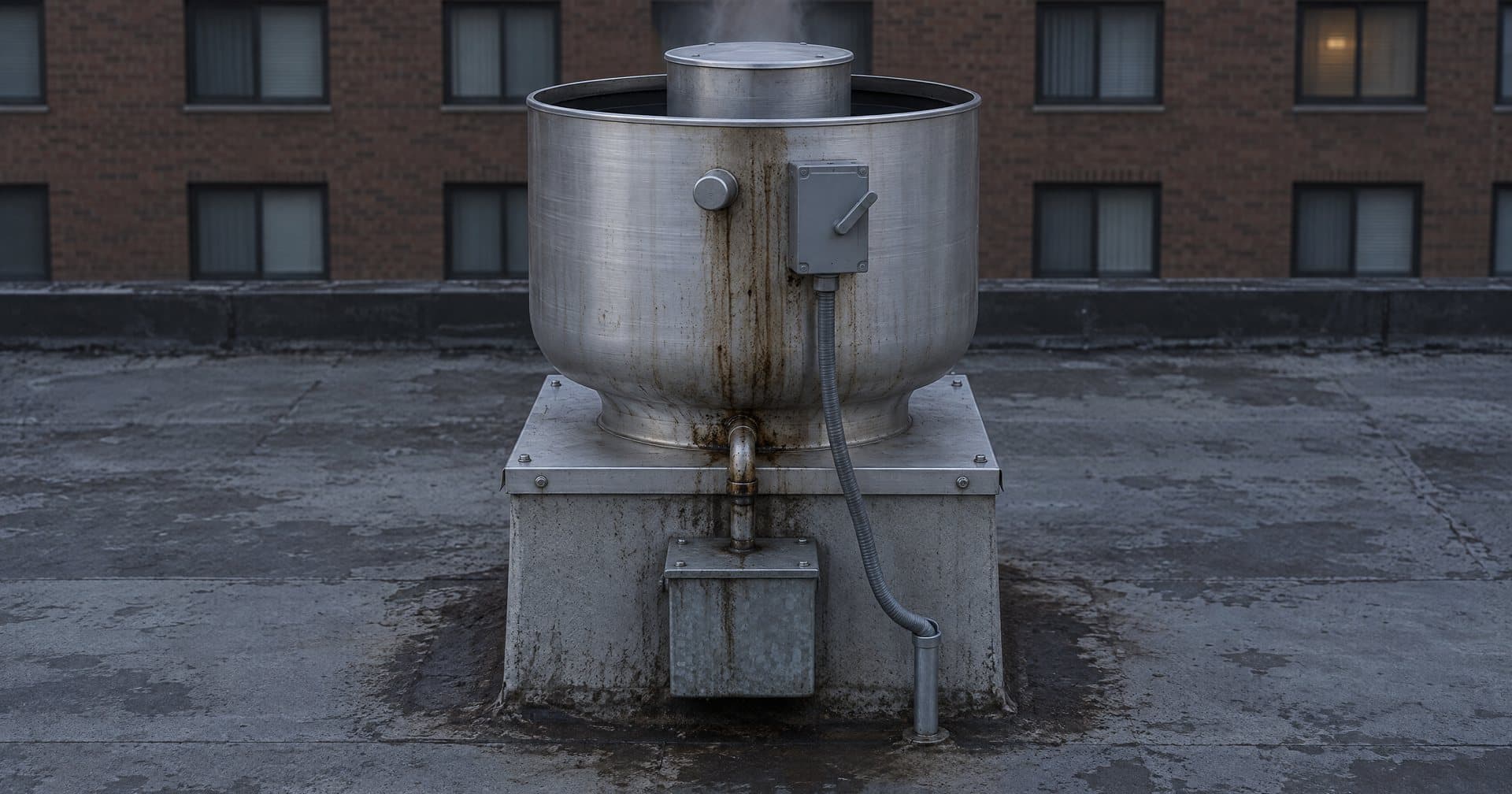
- Exhaust fans - Blades, housing, and surrounding roof areas
- Fire suppression systems - Must remain accessible and operational
Required Documentation
You must maintain written records of all cleaning services, including:
- Service date and name of company
- Areas cleaned and inspection findings
- Signature of certified technician
- Any deficiencies discovered
Keep these records for at least three years—fire inspectors will request them during routine inspections.
Virginia, DC, and Maryland: Local Compliance Variations
While NFPA-96 provides the national standard, local jurisdictions may have additional requirements:
- Virginia follows NFPA-96 closely but allows local fire marshals to mandate more frequent inspections in high-risk areas. Prince William, Fairfax, and Loudoun counties have particularly strict enforcement.
- Washington, DC requires all commercial kitchens to use NFPA-96 certified contractors and submit cleaning certificates to the DC Fire and EMS Department within 10 days of service.
- Maryland incorporates NFPA-96 into state fire code with additional requirements for grease trap maintenance. Montgomery, Prince George's, and Anne Arundel counties conduct regular compliance audits.
The Cost of Non-Compliance
Violating NFPA-96 standards carries serious consequences:
- Financial penalties range from $500-$5,000 per violation in the DMV area, with repeat offenders facing escalating fines.
- Forced closures can occur immediately if fire inspectors deem your exhaust system a fire hazard. Some restaurants remain closed for weeks while remediation is completed.
- Insurance claims denials are common when fires occur in non-compliant kitchens. One DMV restaurant faced a $2.3 million denied claim after investigators found years of inadequate hood cleaning.
- Legal liability increases dramatically if employees or customers are injured due to preventable fires caused by grease buildup.
How to Ensure Your Restaurant Stays Compliant
Partner with NFPA-96 Certified Professionals
Choose a commercial kitchen exhaust cleaning company that:
- Employs certified technicians trained in NFPA-96 standards
- Provides detailed inspection reports after each service
- Uses proper equipment to access all areas of your exhaust system
- Offers emergency services for urgent situations
Establish a Maintenance Schedule
Don't wait for your insurance company or fire marshal to remind you. Set up automatic scheduling with your exhaust cleaning provider based on your operation's volume and cooking methods.
Train Your Kitchen Staff
Educate managers and cooks about:
- Daily hood filter cleaning and maintenance
- Recognizing signs of grease buildup
- Proper fire suppression system operation
- Emergency response procedures
Conduct Regular Self-Inspections
Between professional cleanings, visually inspect:
- Hood filters for excessive grease accumulation
- Visible duct surfaces for dripping or pooling grease
- Fan operation for unusual noises or reduced airflow
- Fire suppression system gauges for proper pressure
Questions to Ask Your Hood Cleaning Provider
Before hiring a commercial kitchen exhaust cleaning service in the DMV area, ask:
- Are your technicians NFPA-96 certified?
- Do you clean the entire system from hood to fan?
- What documentation do you provide after service?
- How do you handle hard-to-reach areas like roof fans?
- Can you identify and repair system deficiencies?
Get Your Free NFPA-96 Compliance Assessment
Qwick Services and Solutions LLC specializes in NFPA-96 compliant commercial kitchen exhaust cleaning throughout Virginia, DC, and Maryland. Our certified technicians ensure your restaurant meets all fire safety requirements while providing detailed documentation for your records.
Don't risk your business with non-compliance. Schedule your free exhaust system assessment today and discover how affordable professional hood cleaning can be.
Serving: Virginia | Washington, DC | Maryland
Keep reading: how often commercial kitchen hoods should be cleaned under NFPA 96, and whether the landlord or tenant is responsible for hood cleaning.
New to the standard? Start with what NFPA 96 is and what it requires.