There is a particular kind of pride that comes with running a restaurant in Georgetown. The neighborhood does not offer cheap anything — not rent, not labor, not the permits that take three visits to the DC Department of Consumer and Regulatory Affairs to sort out. What it offers is prestige, foot traffic, and buildings with bones that most restaurateurs would kill for: Federal-style rowhouses, converted carriage houses, nineteenth-century commercial blocks with ceilings so beautifully proportioned that the architects who designed them never once imagined a commercial kitchen would one day operate beneath them.
That last detail is the one that bites you.
When History Becomes a Liability
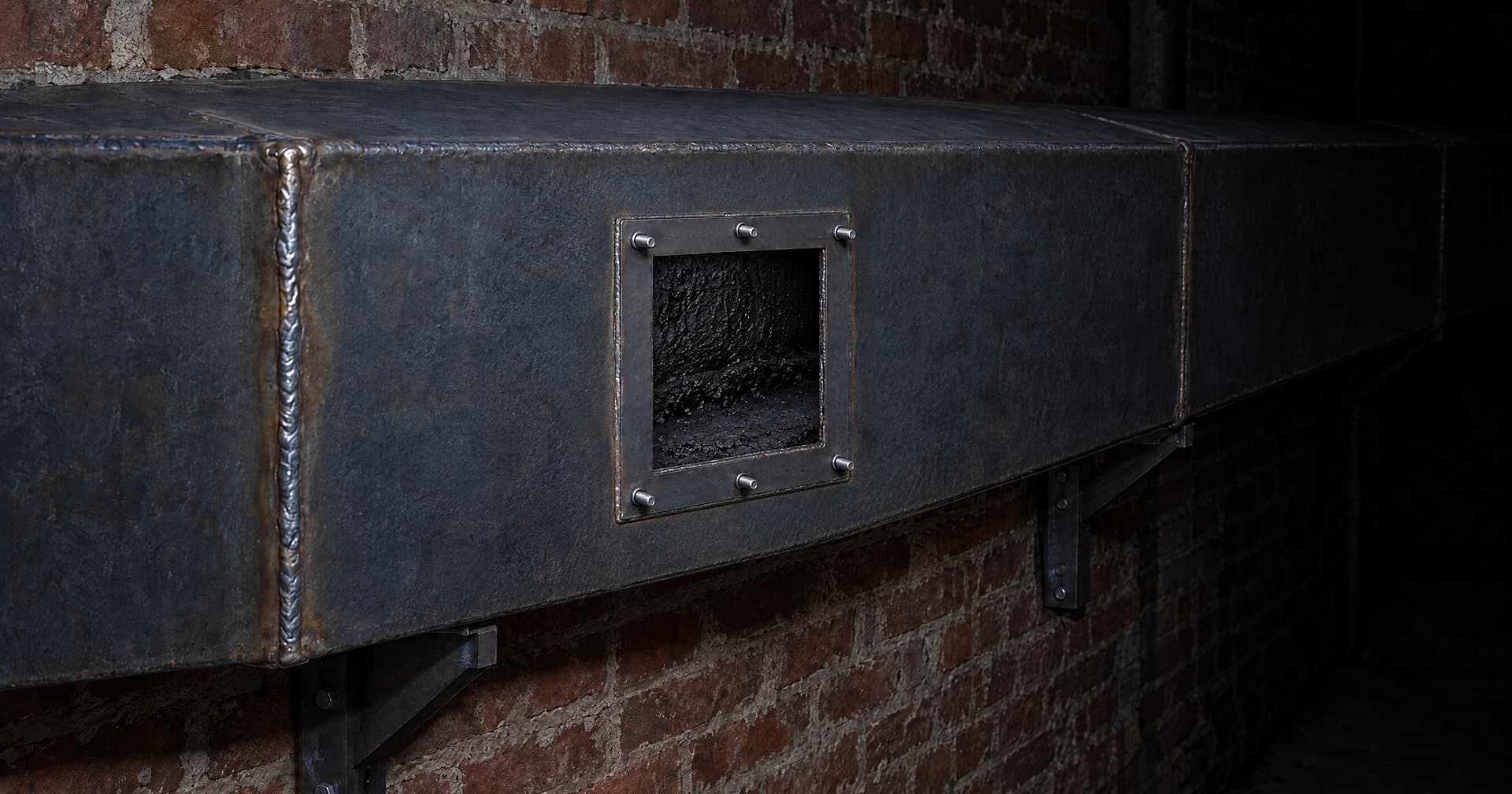
Georgetown's oldest restaurant buildings were never engineered for the exhaust demands of a modern commercial kitchen. The ductwork runs in paths of least resistance — through walls built before the Civil War, around staircases that cannot be moved, up through mechanical chases so narrow that a standard round duct has to be retrofitted with rectangular elbows at angles that reduce airflow and multiply grease accumulation. What takes a kitchen in a newer Tysons high-rise thirty feet of straight vertical duct takes a Georgetown rowhouse two hundred feet of twisting, turning, elbow-packed run.
Every extra elbow is a grease trap. Every horizontal run is a grease shelf. And grease, left alone, becomes fuel.
NFPA 96 — the National Fire Protection Association standard that governs ventilation control and fire protection in commercial cooking operations — does not grade on a curve for historic properties. The code that requires your hood filters to be cleaned at intervals based on cooking volume applies whether your kitchen is inside a 2005 suburban strip mall or an 1887 townhouse on Prospect Street. The fire that can result from a neglected exhaust system does not care about your building's historic designation either.
What the Grease Tells You
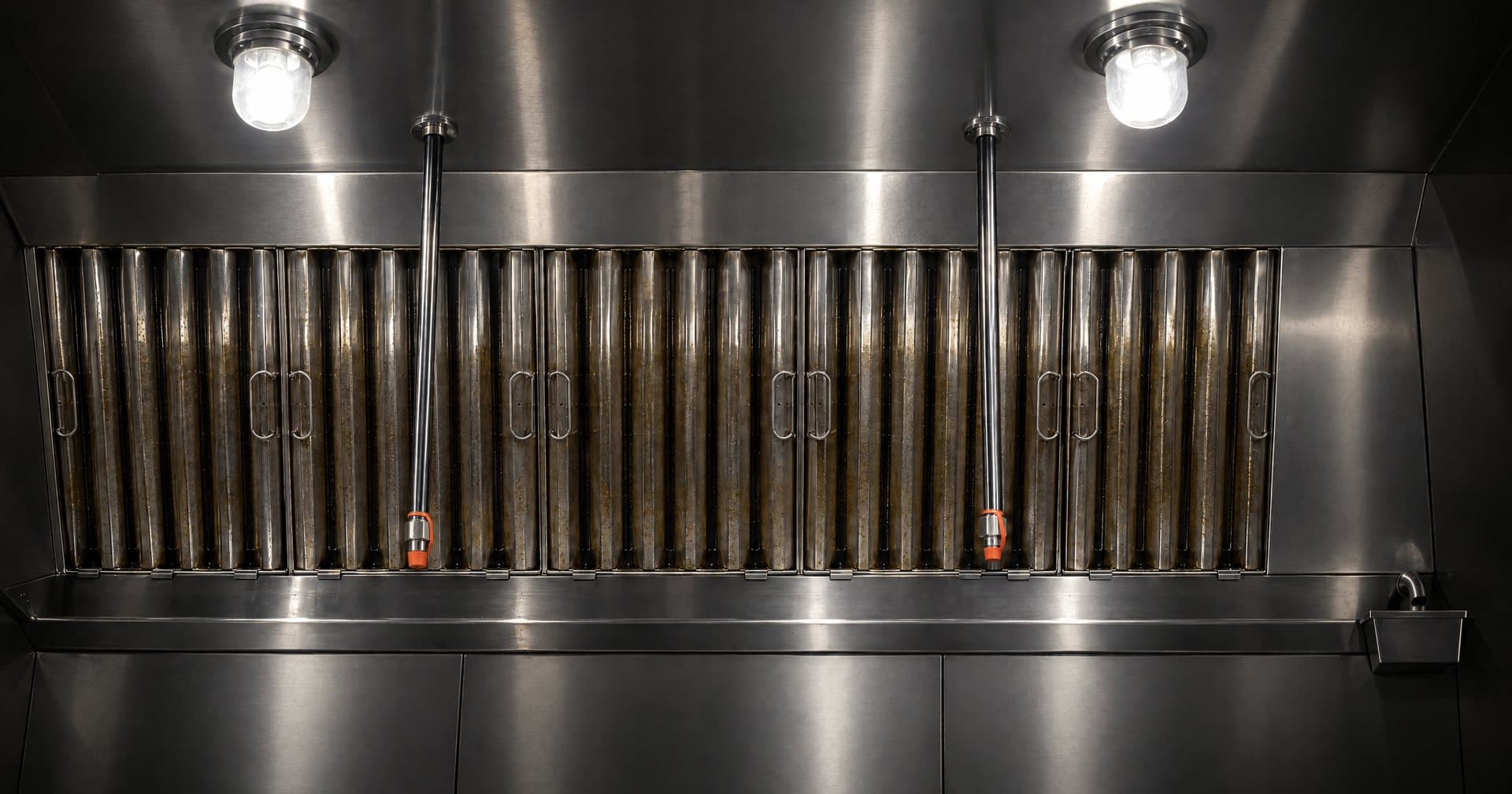
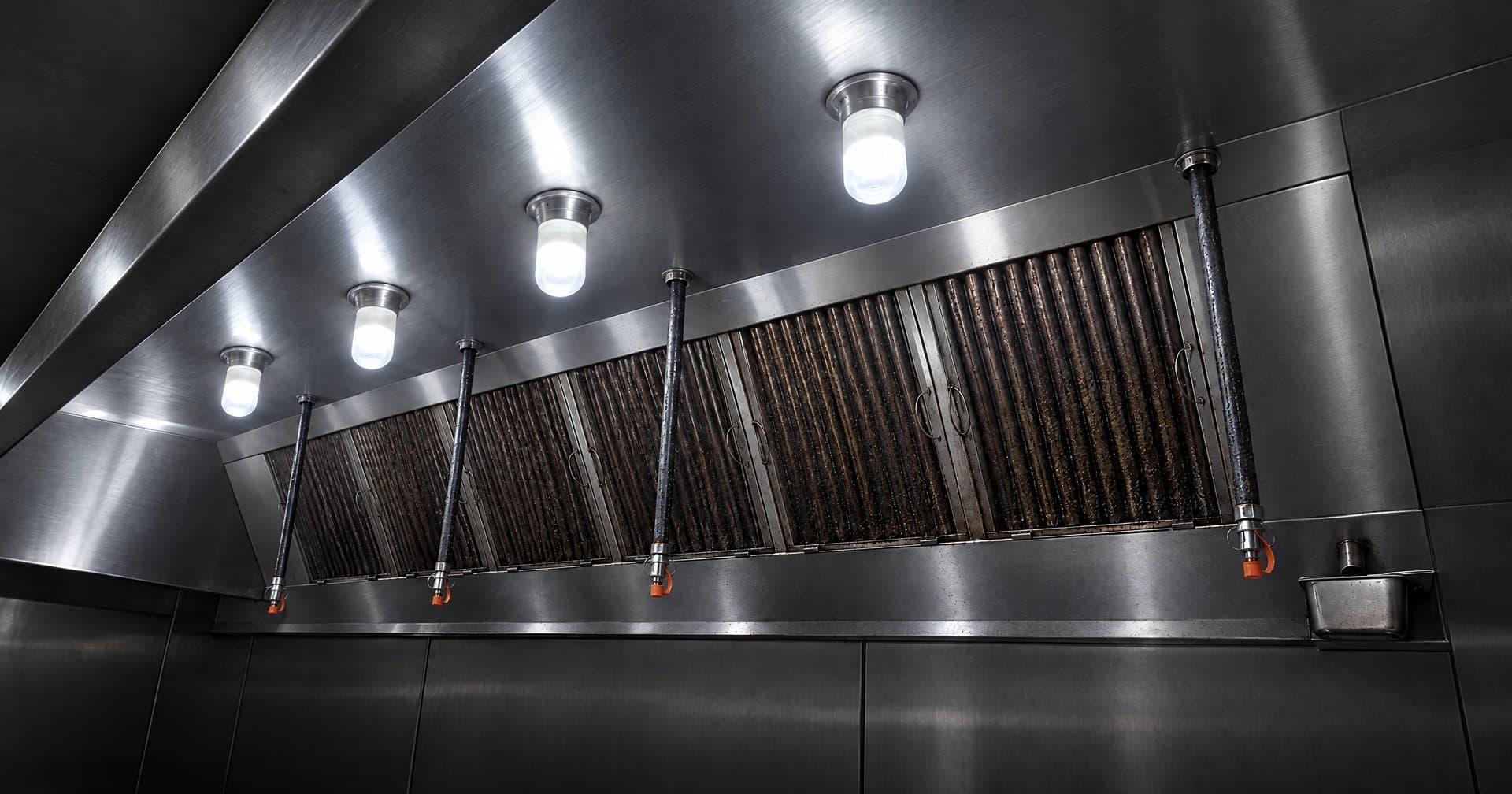
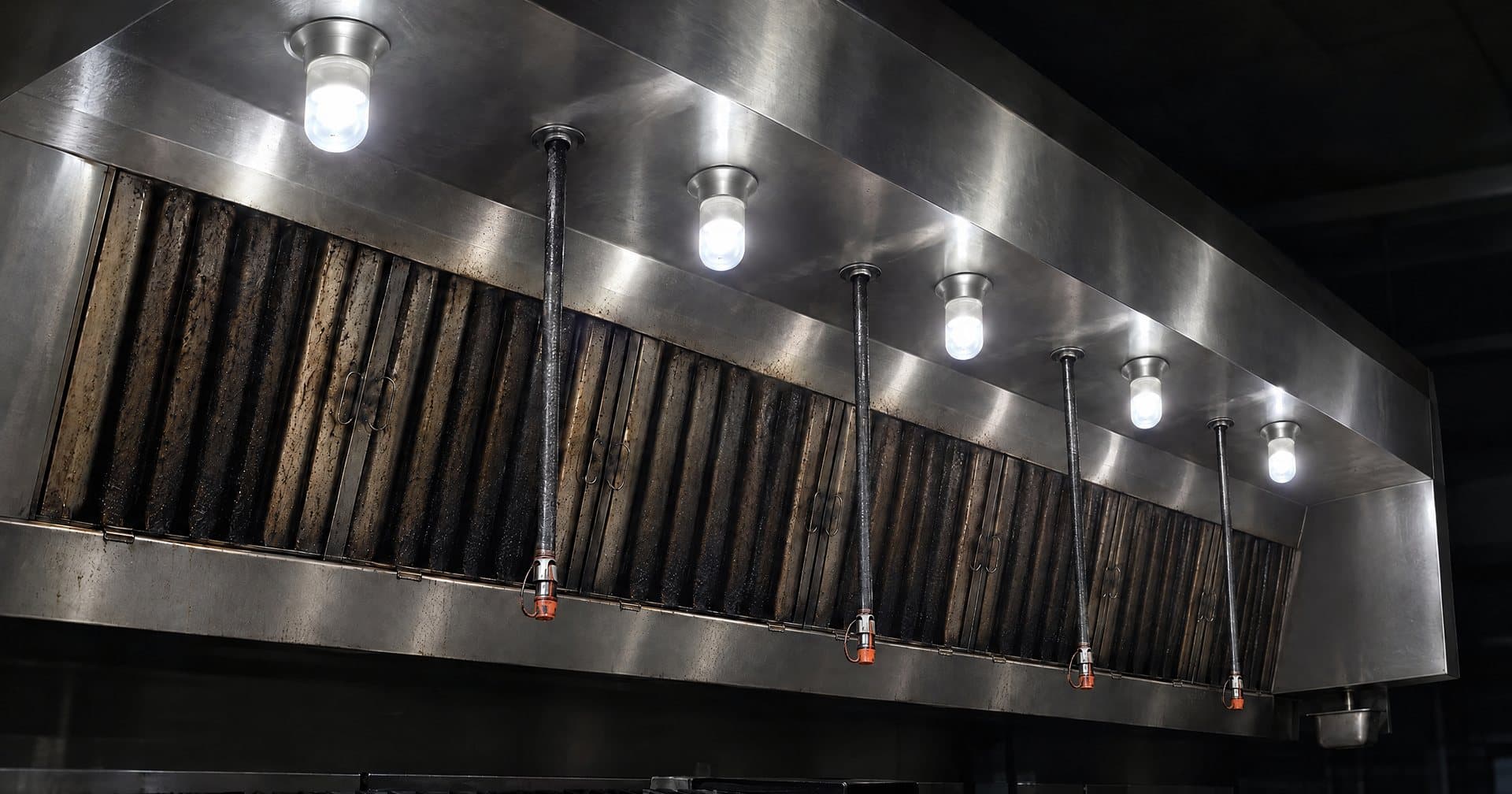
There is a diagnostic that experienced hood cleaning technicians run almost unconsciously when they first enter a kitchen: they read the grease. Thin, golden deposits on the interior of a hood indicate low-temperature cooking — salads, cold prep, light sautéing. Brown, lacquered buildup means consistent medium-heat work. Black, carbonized crust that has to be scraped rather than wiped means a kitchen that is cooking hard, cooking hot, and cooking constantly — the kind of volume that Georgetown's busiest restaurants do on a Friday night in October when the university parents are in town and every table has been turned twice.
In older buildings with compromised ductwork runs, that black crust doesn't stay in the hood. It migrates. It travels up through bends and elbows, depositing in every horizontal section, hardening against metal that hasn't been properly sloped to drain, building up in layers over months until the duct interior resembles the inside of a chimney that hasn't been swept since the Reagan administration.
At a quarter-inch of buildup — the threshold that NFPA 96 uses to trigger immediate remediation — a single flare-up at a wok station can send flame traveling through that duct like a fuse. The difference between a contained fire and a structure fire is often the state of the duct system nobody thought to inspect.
The Georgetown Inspection Reality
DC's Department of Health and the DC Fire and EMS Department conduct inspections of commercial kitchen ventilation systems, and Georgetown restaurants receive their share of attention. What catches operators off guard, consistently, is not the hood itself — most Georgetown restaurant owners know to wipe down their filters — but the duct runs beyond the hood, the rooftop exhaust fans, and the grease containment systems that are supposed to catch what the duct carries upward.
A rooftop exhaust fan that has accumulated enough grease to turn its housing into a drip source is both a fire risk and an environmental violation. A grease containment pan that hasn't been pumped since the previous quarter is an overflow waiting to happen. These are the failures that show up on inspection reports, not the gleaming hood that the line cook wiped down before service.
What Proper Service Actually Covers
A compliant hood cleaning service for a Georgetown restaurant covers the entire system — not just what is visible from the kitchen floor. That means:
- Hood interior and filters — degreased, scraped, and inspected for damage
- Full duct run — accessed through properly placed clean-out panels, inspected to the rooftop termination
- Exhaust fan housing and blades — cleaned and grease-containment systems serviced
- Grease containment — trays pumped, drip stops cleared
- Before-and-after photo documentation — the written record that protects you at inspection time and, if the worst happens, with your insurance carrier
For Georgetown's high-volume restaurants, NFPA 96 typically requires quarterly service at minimum. Some operations — high-volume wok cooking, heavy charbroiling — warrant monthly attention. The frequency is not arbitrary; it is calculated from cooking volume and cooking method, the two variables that determine how fast grease accumulates in your specific system.
The Conversation Nobody Wants to Have
Georgetown rents leave thin margins. Every line item that doesn't directly produce revenue is a candidate for delay, deferral, or the kind of creative neglect that passes for cost management until it becomes a crisis. Hood cleaning is not glamorous. It happens at two in the morning after the last cover has been cleared, in a kitchen that smells like twelve hours of service, and the technicians who do it properly are not doing it quickly.
But the math is brutal in its clarity. The average kitchen fire causes between $50,000 and $150,000 in direct damage, not counting business interruption. An insurance claim following a fire where the inspection documentation shows deferred maintenance is a claim that may not pay. And in Georgetown, where every available commercial space is spoken for before the sign comes down, a shuttered restaurant rarely reopens.
The invisible infrastructure beneath these beautiful kitchens is worth protecting. The hood cleaning bill is the cheapest form of fire insurance you will ever buy.