Adams Morgan has always operated on its own schedule. While the rest of Washington closes its kitchens at ten and sends the dishwashers home by eleven, Adams Morgan is just hitting its second wind. The neighborhood''s identity was built on late nights — on the jumble of Ethiopian, Salvadoran, Mexican, Caribbean, and late-night American kitchens that line 18th Street and Columbia Road like a United Nations of cooking, each one pushing food out the pass well past midnight on weekends and often past two.
That schedule changes the math on everything related to kitchen ventilation.
The Extended-Hours Problem
NFPA 96 calculates cleaning frequency based on two factors: what you cook and how much you cook it. A kitchen that runs a charbroiler for six hours of dinner service accumulates grease at a predictable rate. A kitchen that runs that same charbroiler for fourteen hours — from the lunch rush through a dinner that doesn''t slow down until after midnight — accumulates grease at a rate that most quarterly cleaning schedules cannot keep up with.
Adams Morgan''s extended operating hours are not incidental to the ventilation question. They are the central fact. A restaurant here doing the same menu as a restaurant in Dupont Circle but running four additional hours of service per day will accumulate roughly forty percent more grease in its exhaust system over the same calendar period. That is the difference between a quarterly cleaning cycle being adequate and being dangerously overdue.
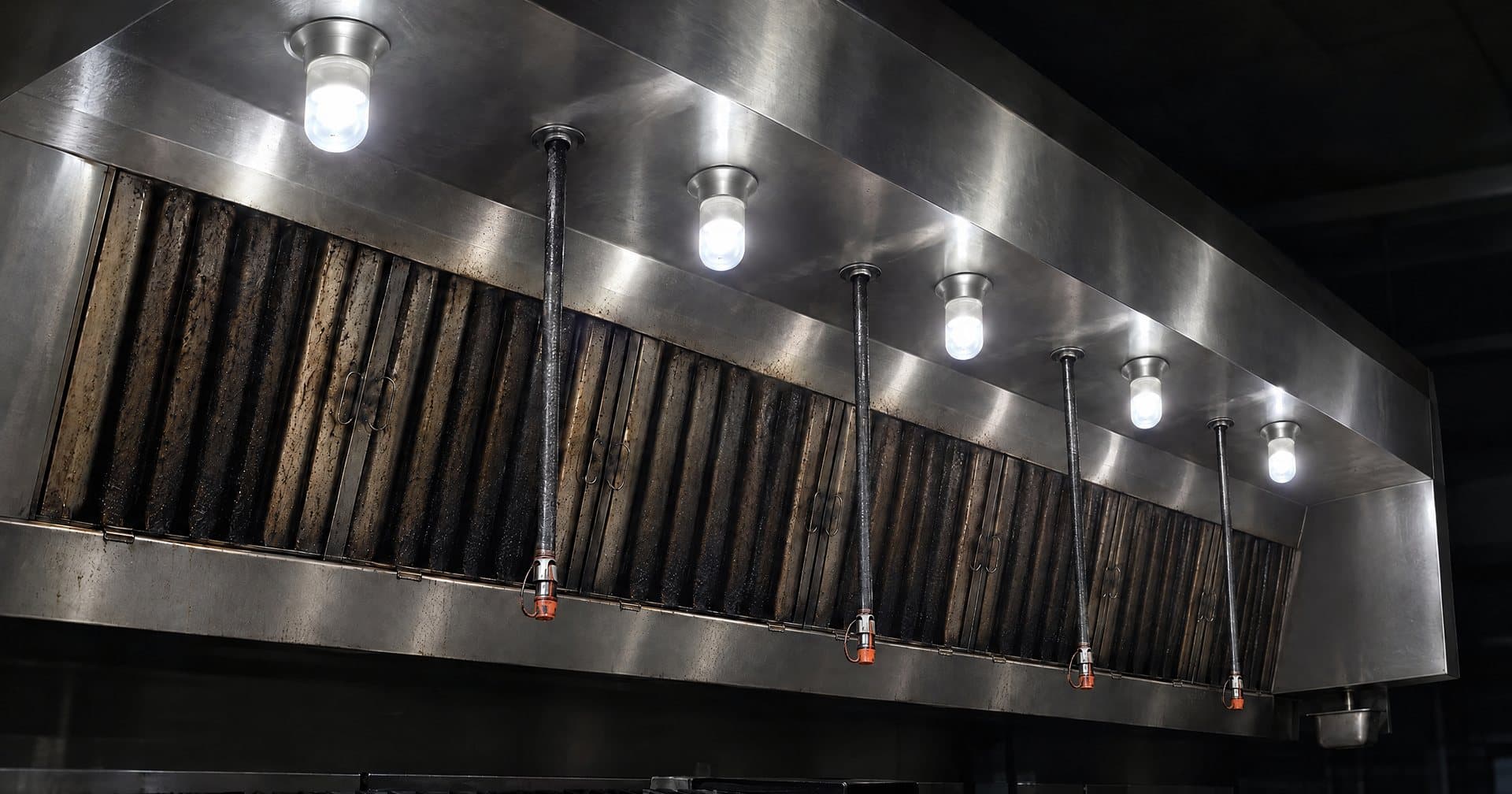
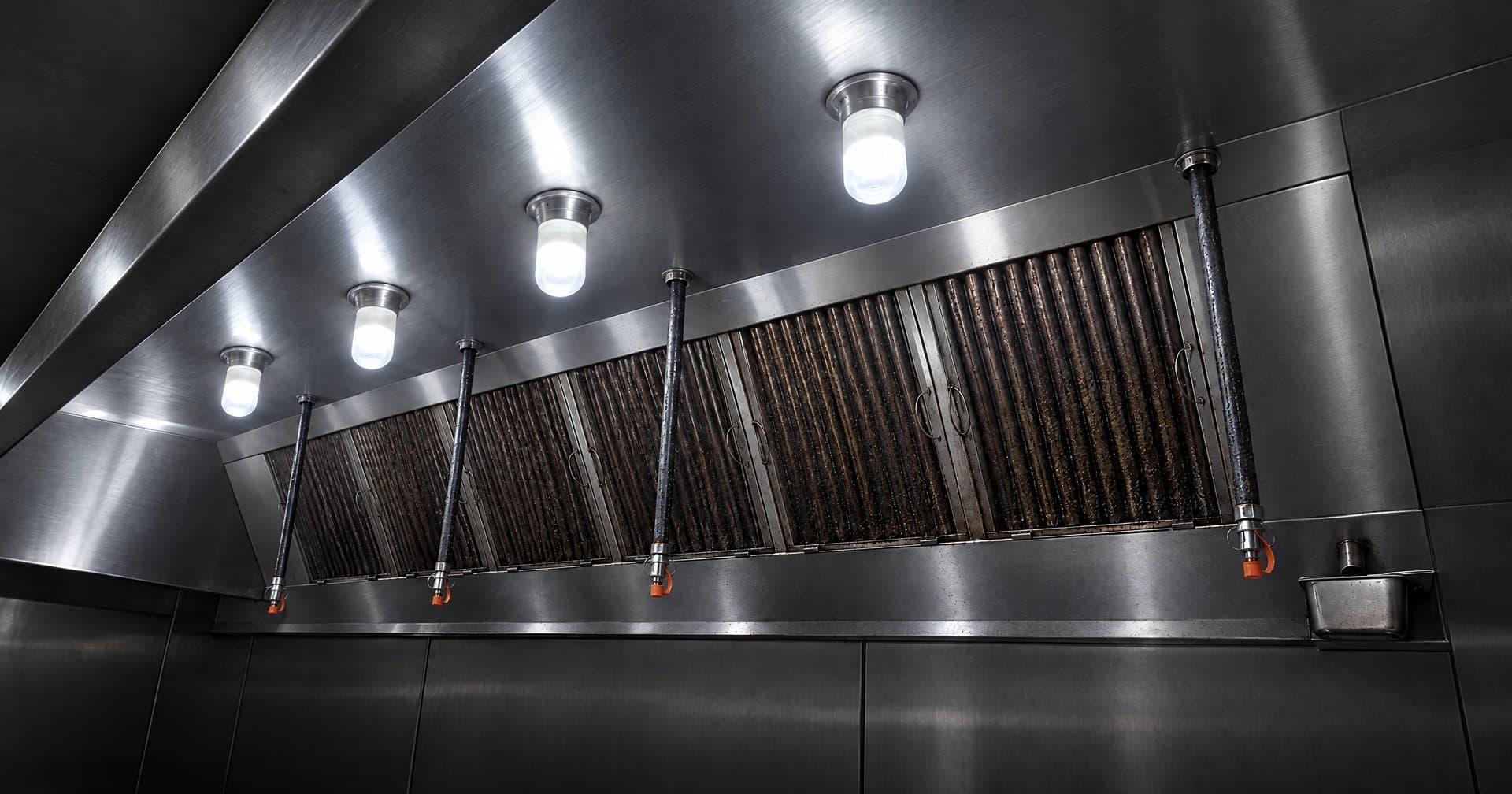
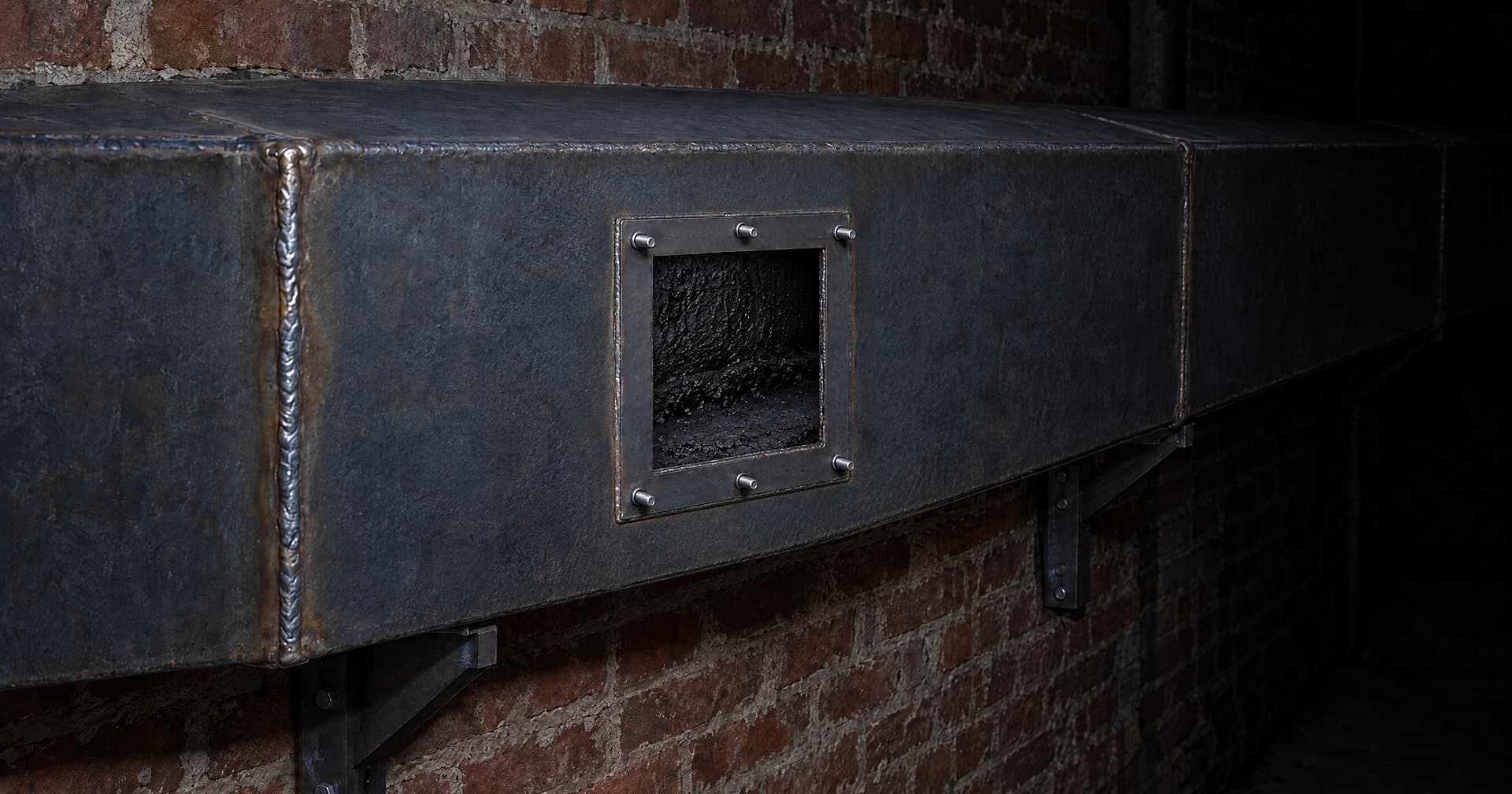
Most operators in the neighborhood know this intuitively. The hood feels heavier at the end of a Saturday night. The filters are darker on Monday morning than they were on Friday afternoon. What many operators do not calculate is what is happening beyond the filters — in the ductwork, the horizontal runs, the fan housing on the roof — where the grease they cannot see is building at the same accelerated rate.
The Diversity of Cooking Methods
Adams Morgan''s culinary diversity is its greatest asset and its greatest ventilation challenge. Within a three-block stretch of 18th Street, you can find kitchens running wood-fired grills, high-BTU wok stations, commercial charbroilers, deep fryers running continuously for late-night service, and traditional Ethiopian kitchens using open-flame injera griddles that produce a very different kind of particulate than a standard American range.
Each cooking method produces a different grease profile. Charbroiling generates heavy, carbon-laden particulate that builds up fast and hard. Deep frying produces a lighter, oilier residue that migrates farther through the duct system before depositing. Wok cooking at extreme temperatures creates a fine, almost invisible mist that coats duct interiors with a thin, highly flammable film. Open-flame cooking produces combustion byproducts that combine with grease to create a compound buildup that is both harder to clean and more dangerous to ignore.
A hood cleaning service that treats every Adams Morgan kitchen identically is a service that does not understand the neighborhood. The Ethiopian restaurant on Columbia Road needs a different cleaning protocol than the late-night pizza operation two doors down, which needs a different protocol than the Salvadoran kitchen running dual charbroilers from eleven in the morning until one at night.
Building Stock and Access Challenges
Adams Morgan''s commercial buildings are a mixed bag. Some are purpose-built commercial spaces from the mid-twentieth century with reasonable duct runs and accessible rooftops. Others are converted residential buildings — rowhouses and apartment buildings repurposed into restaurant space with the same kind of improvised ductwork that plagues Georgetown, but without Georgetown''s deep-pocketed landlords maintaining the building envelope.
Rooftop access in Adams Morgan is frequently complicated. Shared buildings mean shared rooftops, and a grease-laden exhaust fan that sits three feet from a neighboring tenant''s HVAC intake is not just a fire risk but a neighbor relations problem that can generate complaints to the DC Department of Buildings faster than any health inspection. Proper grease containment at the rooftop level — drip pans, grease cups, containment curbing — is not optional in these shared-roof configurations. It is the difference between operating in peace and operating under a complaint-driven inspection cycle that nobody wants.
The Insurance Question
Insurance carriers that underwrite Adams Morgan restaurants are paying attention to claims data, and the claims data from late-night, high-volume kitchen operations is not encouraging. Grease fires in commercial kitchens remain one of the most common and most expensive categories of restaurant insurance claims nationwide, and kitchens that operate extended hours in older buildings with complicated ductwork represent the highest-risk segment of that already-elevated category.
What this means in practice is that your insurance carrier may require documentation of hood cleaning compliance as a condition of coverage. Not as a suggestion. Not as a best practice. As a contractual requirement that, if unmet, can void your coverage at the moment you need it most. An Adams Morgan restaurant that suffers a grease fire and cannot produce cleaning records showing NFPA 96 compliance is an Adams Morgan restaurant that may be paying for reconstruction out of pocket.
What Compliance Looks Like Here
For a typical high-volume Adams Morgan restaurant with extended hours, NFPA 96-compliant maintenance means:
- Monthly cleaning for systems serving charbroilers, wok stations, or any operation producing heavy grease-laden vapors on an extended schedule
- Quarterly cleaning at minimum for lighter cooking operations, with the understanding that extended hours may push the actual need closer to bi-monthly
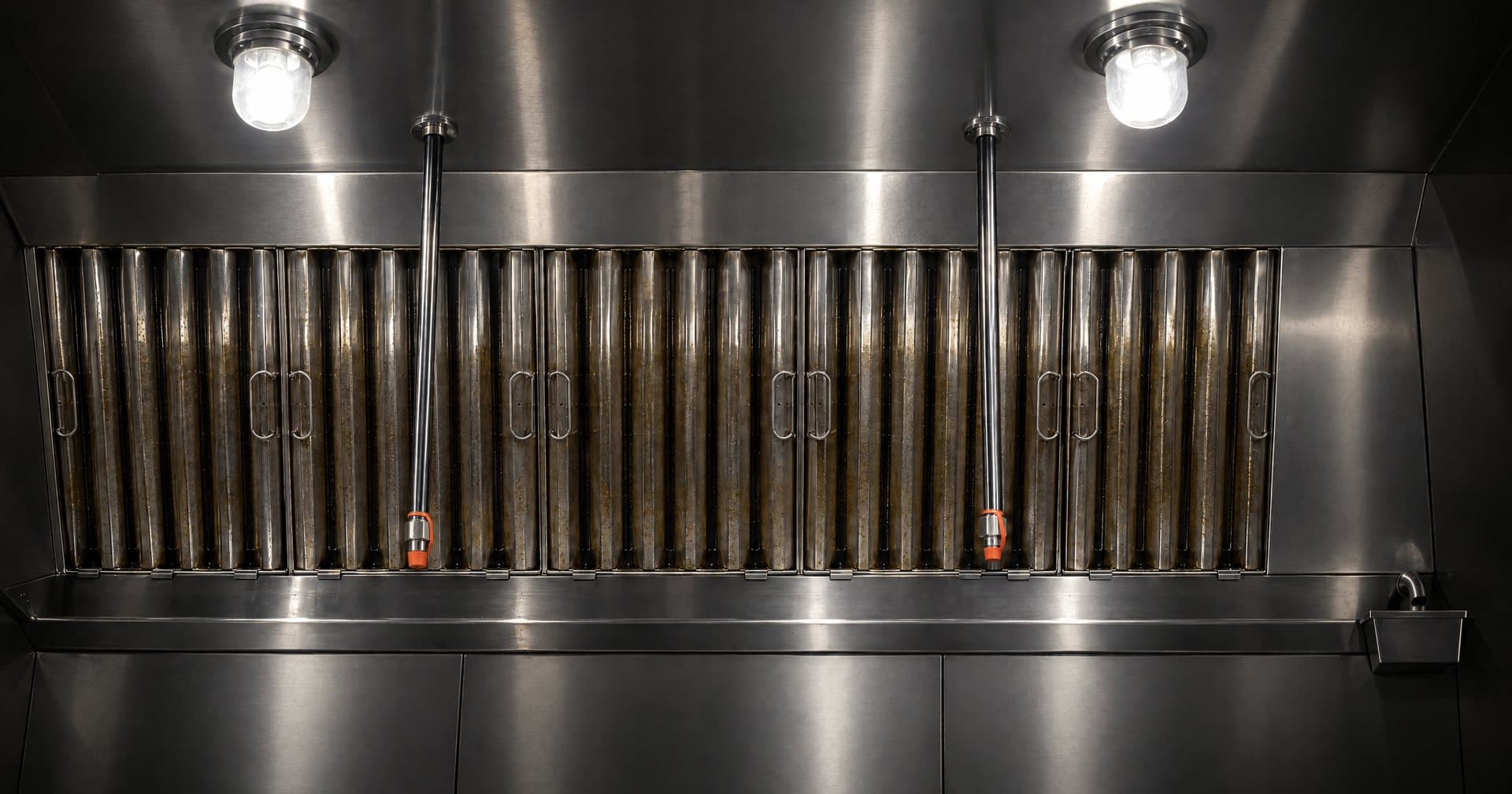
- Complete system service — hood, filters, full duct run to the rooftop, exhaust fan, and grease containment — not just the visible components
- Documented before-and-after reporting with timestamps that demonstrate the work was performed and the system was returned to compliance
- Rooftop grease containment service — particularly critical in shared-roof buildings where grease runoff affects neighboring tenants
The Neighborhood That Never Sleeps
Adams Morgan''s late-night energy is what makes it Adams Morgan. The kitchens that keep the neighborhood alive past midnight are doing the hardest work in Washington''s restaurant industry — more hours, more covers, more heat, more grease. The exhaust systems that serve those kitchens are working harder than systems anywhere else in the District, and they need maintenance that reflects that reality.
The question is not whether an Adams Morgan kitchen needs professional hood cleaning. The question is whether it is getting cleaned often enough to match the pace at which it operates. For most late-night operations in this neighborhood, the honest answer is: probably not.
That is a correctable problem. But it is only correctable if someone looks up.