Capitol Hill operates under a kind of pressure that most restaurant neighborhoods in Washington do not experience. The lunch rush is not optional — it is an institution. When Congress is in session, the restaurants within walking distance of the Capitol, the Senate office buildings, and the House side fill with a clientele that has forty-five minutes between votes and expects to be seated, served, and settled before the buzzer sounds. That pace does not slow down for the tourist season, when the same restaurants absorb families visiting the National Mall who wander up Pennsylvania Avenue looking for somewhere to eat that is not a food truck.
The result is a neighborhood where commercial kitchens operate at sustained high volume across two distinct service patterns — the fast-turn power lunch and the leisurely tourist dinner — each placing different demands on the same exhaust infrastructure.
The Double-Rush Kitchen
Most restaurant kitchens in Washington have a single peak: dinner service. The prep builds through the afternoon, the line fires at five or six, and the kitchen runs hard for four or five hours before winding down. Capitol Hill kitchens run two peaks. The lunch rush from eleven-thirty to two is as intense as many restaurants'' dinner services, with ticket times compressed to match the congressional schedule. Then, after a brief reset, the dinner service begins — often serving a completely different clientele with different expectations and different ordering patterns.
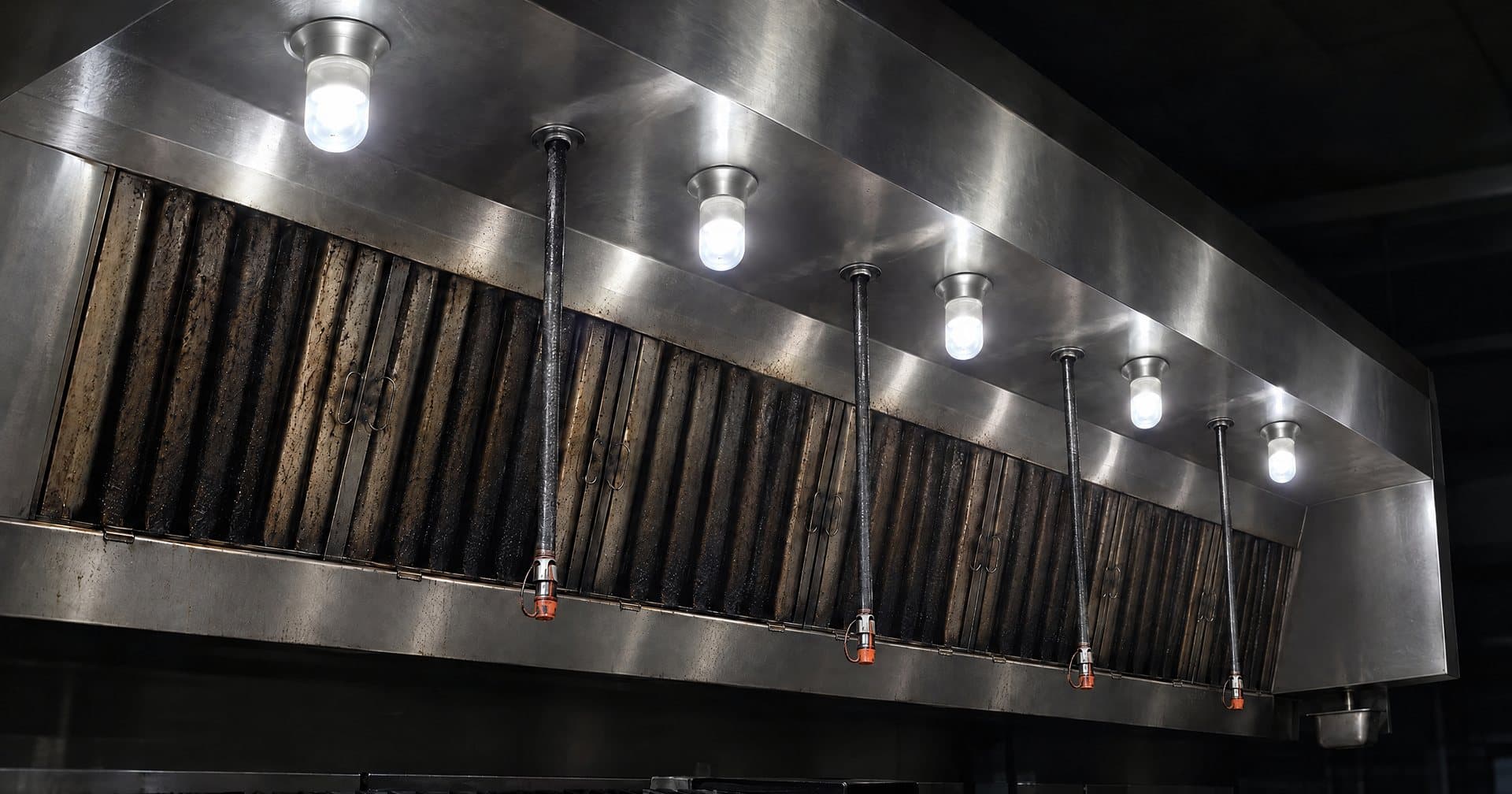
Two peaks means two full heating cycles per day on every piece of cooking equipment. Two peaks means the charbroiler that would normally accumulate eight hours of grease production in a day is accumulating twelve or fourteen. Two peaks means the exhaust system is pulling grease-laden air for nearly double the duration of a single-service restaurant, and the ductwork is collecting deposits at a proportionally accelerated rate.
This is not a theoretical concern. It is arithmetic. A kitchen that produces twice the grease-laden vapor in a given period fills its duct system twice as fast. A quarterly cleaning schedule designed for a single-service restaurant becomes a semi-quarterly need — and the gap between what is scheduled and what is needed is where fires start.
The Federal Proximity Factor
Capitol Hill restaurants operate in one of the most heavily inspected commercial zones in the District. The proximity to federal buildings means that DC Fire and EMS, the Department of Health, and occasionally federal protective services all have reason to pay attention to commercial operations in the area. A grease fire in a restaurant two blocks from the Capitol is not just a local fire department response — it is a security event that draws attention from agencies that most restaurant operators never interact with.
This proximity creates an inspection environment that is less forgiving than other DC neighborhoods. Inspection frequency tends to be higher, follow-up on citations tends to be faster, and the tolerance for deferred maintenance tends to be lower. A Capitol Hill restaurant that might have gotten a warning in another neighborhood may find itself facing an immediate corrective action order.
The practical implication is straightforward: documentation matters more here. When an inspector arrives — and on Capitol Hill, they arrive more often — the restaurant that can produce timestamped before-and-after photos from its last hood cleaning, a certificate of compliance from an NFPA 96-certified service provider, and a maintenance log showing consistent quarterly or monthly service is the restaurant that passes inspection without incident. The restaurant that cannot produce those records is the restaurant that gets a follow-up visit in thirty days.
The Building Challenge
Capitol Hill''s restaurant-dense corridor along Pennsylvania Avenue SE and the surrounding blocks occupies a mix of building types. Some are relatively modern mixed-use developments with purpose-built commercial kitchen spaces and clean vertical duct runs. Others are the same nineteenth-century rowhouse conversions that characterize much of DC''s older restaurant stock — beautiful buildings with ductwork that was retrofitted decades ago and has been patched, extended, and rerouted as successive tenants modified the kitchen layout without necessarily updating the exhaust infrastructure.
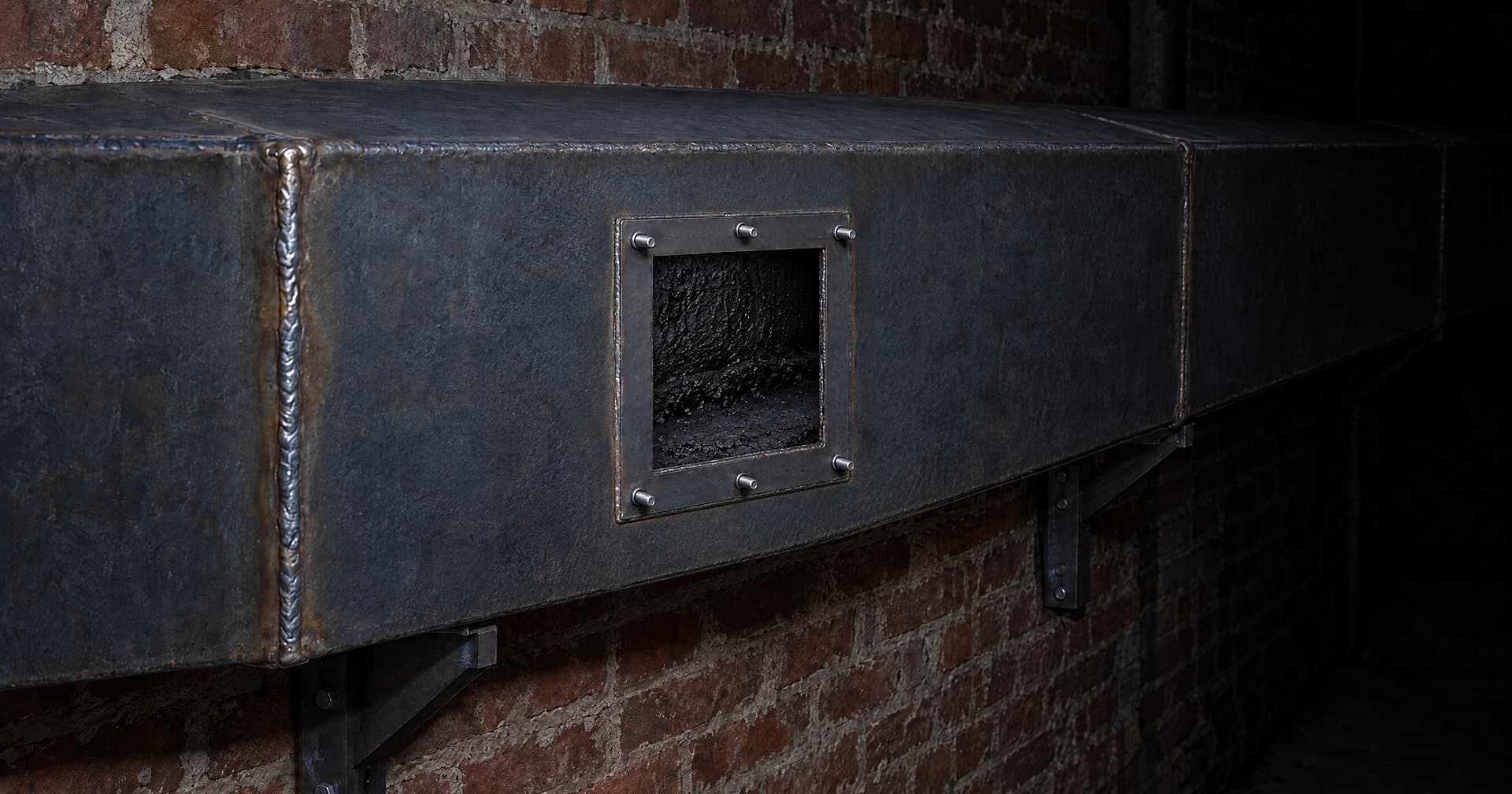
The rowhouse conversions present the familiar challenges: long horizontal duct runs that accumulate grease in every low point, elbows that create turbulence and deposit zones, and rooftop terminations that may sit uncomfortably close to neighboring residential properties. What makes Capitol Hill''s version of this problem distinctive is density. The restaurants are close together, the buildings share walls, and a grease fire that starts in one kitchen can threaten the structure next door before the first engine arrives.
Fire separation in these shared-wall buildings depends partly on the structural firebreaks built into the original construction and partly on the maintenance of the systems that prevent fire from starting in the first place. An exhaust system that has been properly cleaned and maintained is a system that is far less likely to become the ignition pathway that turns a kitchen flare-up into a multi-building event.
What Capitol Hill Kitchens Need
Given the double-rush operating pattern, the elevated inspection environment, and the dense building stock, Capitol Hill restaurants benefit from a maintenance approach that accounts for their specific operating reality:
- Frequency matched to actual volume — not the generic quarterly recommendation, but a schedule calibrated to the dual-peak service pattern that most Capitol Hill kitchens run
- Complete system documentation — before-and-after photos, compliance certificates, and maintenance logs that are inspection-ready at all times
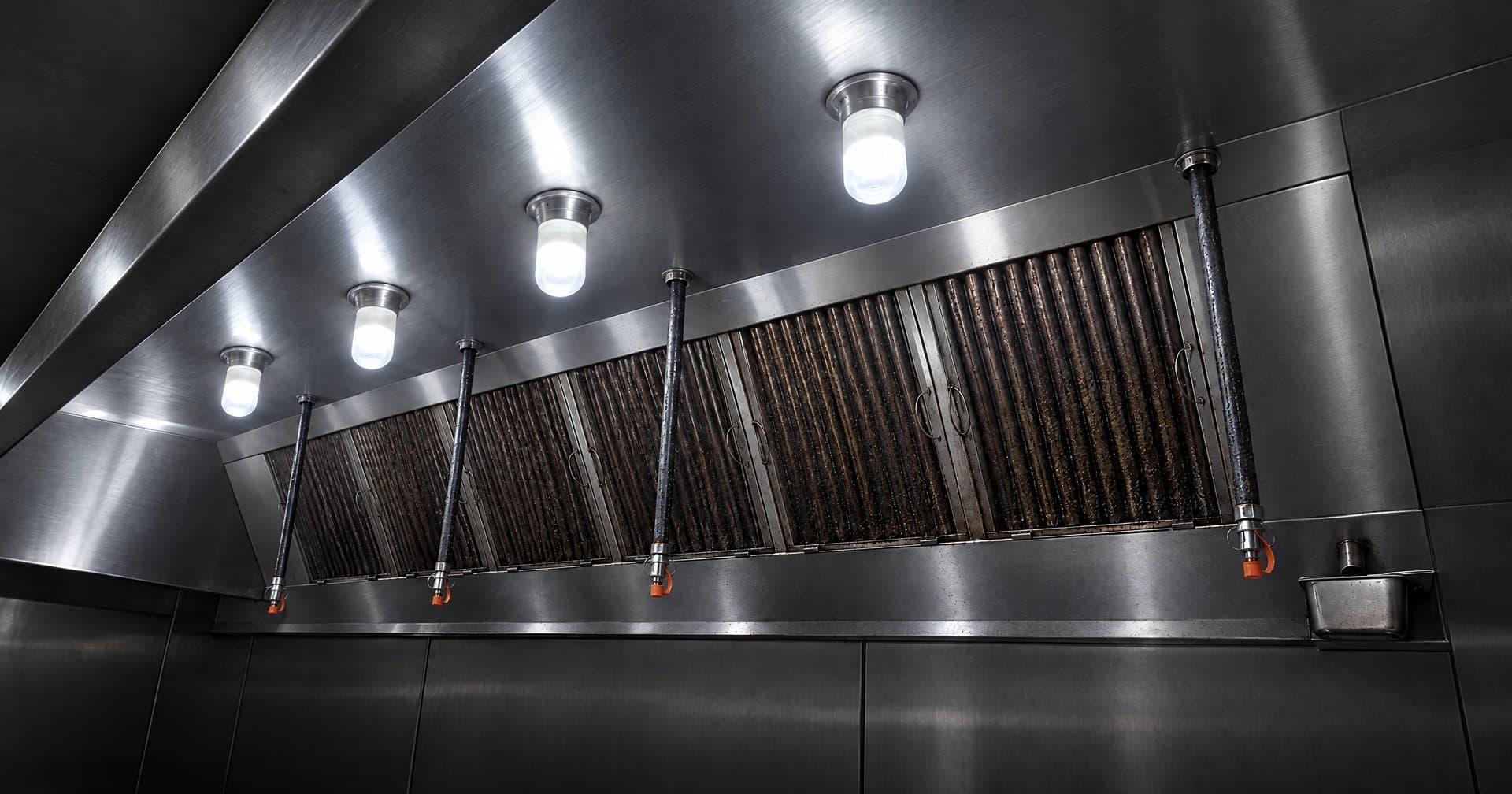
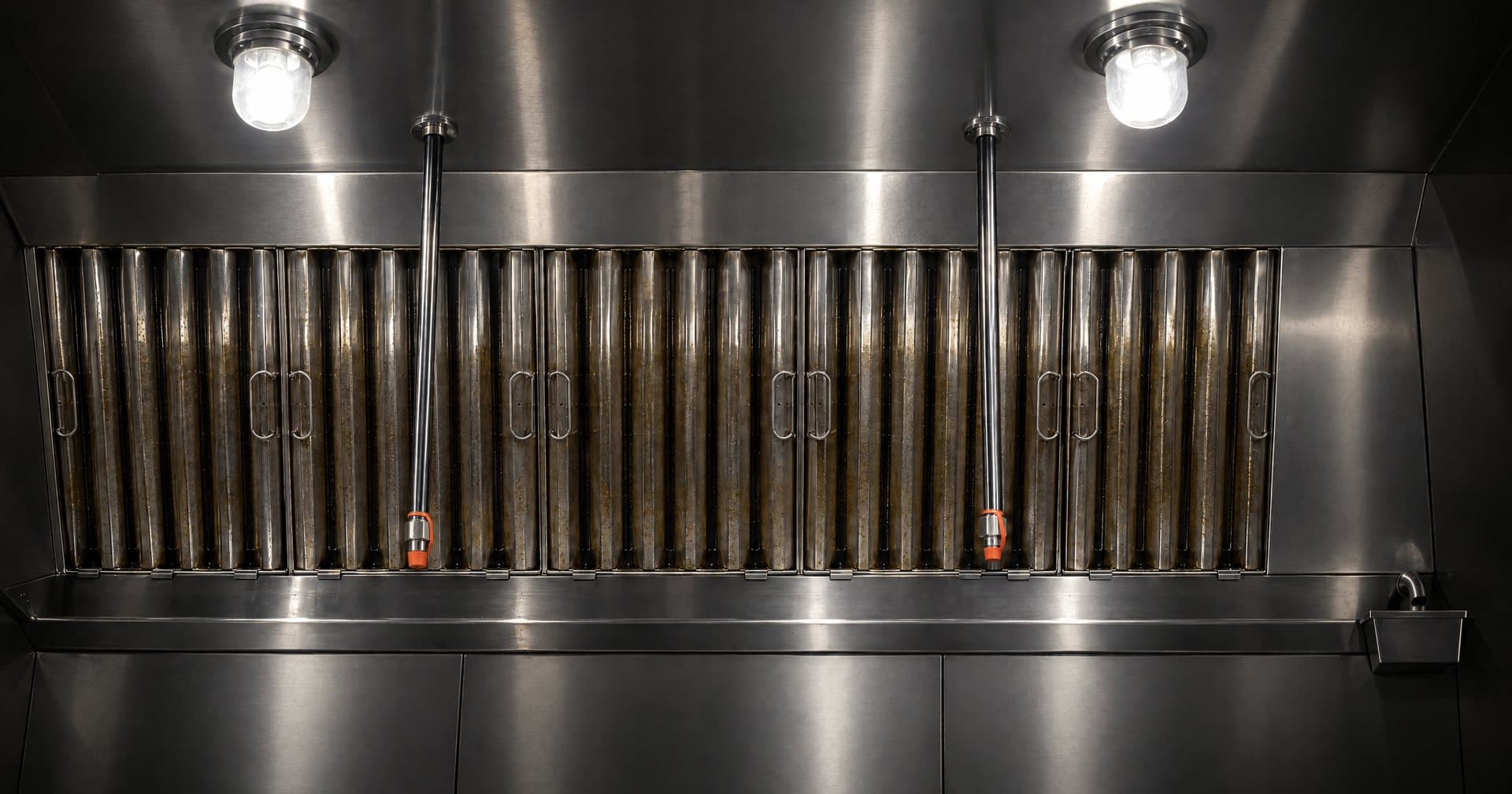
- Full duct system service — not just the hood and filters, but every foot of ductwork to the rooftop, including the horizontal runs where grease settles in these older buildings
- Rooftop fan and containment service — critical in shared-wall buildings where grease runoff or fan-related fire can affect neighboring properties
- Scheduling that respects the operation — service performed during the narrow window between dinner close and the next day''s prep, without disrupting either service
The Stakes on the Hill
Capitol Hill restaurants exist in a higher-consequence environment than they sometimes recognize. The inspection scrutiny is real. The building density means that a fire does not stay contained to one address. The insurance implications of a fire in a building that shares walls with occupied properties are severe. And the business consequences of a forced closure in a neighborhood where the lunch crowd has twelve other options within a two-block walk are immediate and permanent.
The exhaust system is the one piece of infrastructure that connects all of these risks. Maintained properly, it is invisible — just metal and air doing their job. Neglected, it becomes the single most likely ignition source in the building. The difference between those two states is maintenance, and the difference in cost between maintaining the system and rebuilding after a fire is not a close comparison.
Capitol Hill''s kitchen problem is not political. It is mechanical. And mechanical problems have mechanical solutions — if someone schedules the work.